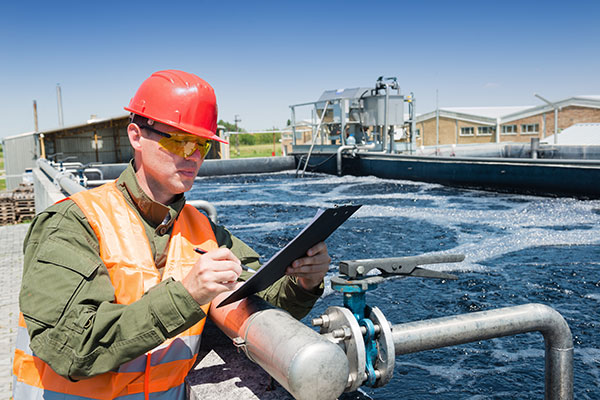
Water Resources Engineering
Starting From
₹49,000 /- Per Year

About Course
Water Resources Engineering is a branch of civil engineering that focuses on managing, designing, and optimizing water resources to meet human and environmental needs. This field addresses critical issues like water supply, water conservation, flood control, and wastewater management. Water resources engineers play a vital role in designing and maintaining infrastructure such as dams, canals, pipelines, reservoirs, irrigation systems, and stormwater drainage systems. They ensure sustainable water use by integrating advanced technologies and environmental conservation practices.
A key component of water resources engineering is hydrology, which involves studying the movement, distribution, and quality of water on Earth. Hydrologists analyze rainfall, surface water flow, and groundwater systems to predict water availability and manage risks like floods and droughts. This data is crucial for creating efficient water management plans. Another critical area is hydraulic engineering, which focuses on the behavior of water in motion. Engineers use hydraulic principles to design structures such as spillways, levees, and water distribution networks, ensuring the safe and effective flow of water.
Water resources engineering also emphasizes environmental protection. Sustainable practices, such as rainwater harvesting, water recycling, and wetland restoration, help balance human water needs with ecosystem preservation. By implementing eco-friendly solutions, water resources engineers mitigate pollution and enhance the health of aquatic systems.
Climate change and urbanization are significant challenges in water resources engineering. Rising global temperatures, shifting rainfall patterns, and increasing water demand due to urban growth stress existing water systems. Engineers address these issues by adopting innovative approaches like desalination, resilient infrastructure design, and integrated water resource management. These solutions help ensure reliable water access in the face of changing environmental and societal conditions.
Water resources engineering is a multidisciplinary field that combines technical expertise, scientific research, and environmental stewardship. Professionals in this area collaborate with policymakers, environmentalists, and communities to develop water systems that are efficient, equitable, and sustainable. By focusing on the optimization of water resources, this field contributes to global efforts in combating water scarcity and protecting vital ecosystems.
In summary, Water Resources Engineering is essential for solving global water challenges. It ensures the availability of clean, sustainable water for agriculture, industry, and daily life while preserving the environment. This field is crucial for managing one of Earth's most valuable resources, making it indispensable in today's world.

Course Scope
Scope of Water Resources Engineering
Water Resources Engineering offers a broad and dynamic scope, making it one of the most important fields in civil engineering. With increasing challenges like water scarcity, climate change, and urbanization, the demand for skilled water resources engineers is growing rapidly. The field involves the study, design, and management of systems that ensure efficient water supply, flood control, and environmental protection. Here's an overview of the course scope:
1. Career Opportunities
Graduates in water resources engineering can explore a variety of career paths in government organizations, private companies, and international agencies. Key roles include:
- Water Resources Engineer: Designing and managing water supply and irrigation systems.
- Hydrologist: Studying water cycles to predict availability and risks like floods and droughts.
- Environmental Engineer: Focusing on water pollution control and wastewater treatment.
- Urban Planner: Managing stormwater drainage and urban water supply systems.
- Project Manager: Leading large-scale water infrastructure projects such as dams and reservoirs.
2. Research and Innovation
Water resources engineering offers significant scope for research in areas such as:
- Climate-resilient water systems.
- Advanced water purification and desalination techniques.
- Sustainable water harvesting and recycling methods.
- Flood prediction models using AI and GIS technologies.
3. Global Relevance
The scope of water resources engineering extends globally as water scarcity and environmental degradation are universal challenges. Professionals in this field are often hired by international organizations like the United Nations, World Bank, and NGOs focused on water sustainability projects.
4. Interdisciplinary Applications
Water resources engineering intersects with several disciplines, including:
- Agriculture: Developing irrigation systems and ensuring optimal water usage.
- Urban Development: Designing sustainable urban water supply and drainage systems.
- Environmental Conservation: Restoring aquatic ecosystems and wetlands.
- Disaster Management: Planning flood and drought mitigation strategies.
5. High Demand Industries
Industries such as construction, power generation (hydropower), and manufacturing rely heavily on water resources engineers to manage water-related operations efficiently.
In conclusion, Water Resources Engineering offers diverse opportunities in engineering, research, and environmental management. With the growing importance of water conservation and sustainable development, professionals in this field play a critical role in shaping a water-secure future.

Course Syllabus & Subjects
1. Core Subjects
- Hydrology: Study of the water cycle, rainfall-runoff relationships, groundwater recharge, and flood forecasting.
- Hydraulics: Principles of fluid mechanics, open channel flow, and pipe flow analysis.
- Irrigation Engineering: Design and management of irrigation systems, water requirements of crops, and canal systems.
- Groundwater Engineering: Study of aquifers, groundwater flow, and well hydraulics.
- Environmental Engineering: Water quality assessment, pollution control, and wastewater treatment technologies.
- Structural Design for Water Systems: Designing dams, spillways, reservoirs, and levees.
- Watershed Management: Strategies for managing and conserving watersheds and catchment areas.
2. Advanced and Elective Subjects
- Climate Change and Water Resources: Impact of climate change on water availability and management strategies.
- Remote Sensing and GIS Applications: Use of geospatial technologies for water resource planning and disaster management.
- Coastal Engineering: Study of coastal processes, erosion control, and management of coastal water systems.
- Hydropower Engineering: Design and optimization of hydropower plants and turbines.
- Urban Water Supply Systems: Planning and operation of urban water distribution and stormwater drainage systems.
- Water Treatment Technologies: Advanced methods of water purification and desalination.
3. Practical Components
- Laboratory Work: Fluid mechanics lab, hydrology lab, and water quality testing.
- Field Studies: On-site visits to dams, reservoirs, canals, and treatment plants.
- Project Work: Real-world projects on flood control, irrigation planning, and sustainable water management.
- Software Training: Learning tools like HEC-RAS, EPANET, and SWAT for modeling and simulating water systems.
4. Research Topics
Students may also engage in research on:
- Flood and drought prediction models.
- Sustainable water harvesting techniques.
- Integrated water resource management (IWRM).
- Eco-restoration of aquatic ecosystems.
Questions about the Water Resources Engineering?
Let our experts provide the answers – talk to us today!


Course Eligibility
Eligibility for a Water Resources Engineering course depends on the level of study—undergraduate, postgraduate, or doctoral—and the institution offering the program. Below is an overview of typical eligibility criteria at each level:
1. Undergraduate Level (Bachelor’s Degree in Civil/Water Resources Engineering):
- Educational Qualification: Candidates must have completed 10+2 (or equivalent) with a strong background in science subjects, particularly Mathematics, Physics, and Chemistry.
- Minimum Marks: A minimum aggregate score of 50%-60% in 10+2 is usually required, although this can vary by institution.
- Entrance Exams: Admission often requires qualifying in entrance exams such as JEE Main/Advanced (India), or institution-specific tests like state-level engineering entrance exams or private university exams.
2. Postgraduate Level (Master’s Degree in Water Resources Engineering):
- Educational Qualification: Candidates must have a Bachelor’s degree in Civil Engineering, Environmental Engineering, or a related field from a recognized university. Some programs may also accept graduates from fields like Mechanical or Agricultural Engineering if they have relevant coursework or experience.
- Minimum Marks: Most institutions require a minimum aggregate of 50%-60% in the undergraduate program.
- Entrance Exams: Admission may involve qualifying national-level exams such as GATE (India), or institutional exams and interviews.
- Work Experience (Optional): Some programs may prefer or require prior work experience in a related field, particularly for executive or professional master’s programs.
3. Doctoral Level (Ph.D. in Water Resources Engineering):
- Educational Qualification: A Master’s degree in Water Resources Engineering, Civil Engineering, or a related discipline is required. Exceptional candidates with a strong academic record and research background may be admitted directly after a bachelor’s degree in some cases.
- Minimum Marks: Consistently high academic performance (typically 60% or above) at the postgraduate level is expected.
- Entrance Exams: Admission may involve qualifying exams like UGC-NET, CSIR-NET, or institutional-level entrance tests, along with interviews.
- Research Proposal: A clear research proposal aligned with the institution’s research priorities is often required.
Additional Requirements:
- English Proficiency: For international programs, proficiency tests like IELTS or TOEFL may be required.
- Skills: Strong analytical, mathematical, and problem-solving skills are advantageous at all levels.

Course Level
Course Levels in Water Resources Engineering
Water Resources Engineering is offered at various academic levels, catering to different stages of education and career development. Each level provides a distinct depth of knowledge and specialization to prepare students for careers in water management, environmental engineering, and related fields. Below is an overview of the levels:
1. Undergraduate Level
- Course Name: Bachelor’s in Civil Engineering (with specialization in Water Resources Engineering)
- Duration: 4 years
- Eligibility:
- Completion of 10+2 with Physics, Chemistry, and Mathematics.
- Entrance exams like JEE Main, state-level tests, or university-specific exams.
- Focus:
- Fundamentals of civil engineering with introductory courses in hydrology, hydraulics, and environmental engineering.
- Hands-on experience through lab work, projects, and internships.
- Career Scope: Entry-level roles in civil engineering firms, water resource management agencies, and government departments.
2. Postgraduate Level
- Course Name: Master’s in Water Resources Engineering or related fields (e.g., Hydrology, Irrigation Engineering)
- Duration: 2 years
- Eligibility:
- Bachelor’s degree in Civil Engineering, Environmental Engineering, or a related field.
- Qualifying exams like GATE (India) or university entrance exams.
- Focus:
- Advanced topics like watershed management, flood control systems, GIS applications, and sustainable water practices.
- Research-oriented projects and training in software tools like HEC-RAS and SWAT.
- Career Scope: Higher-level positions as water resource engineers, hydrologists, or environmental consultants.
3. Doctoral Level
- Course Name: Ph.D. in Water Resources Engineering
- Duration: 3-5 years
- Eligibility:
- Master’s degree in Water Resources Engineering or a related discipline.
- Research proposal and qualifying exams like UGC-NET or institution-specific tests.
- Focus:
- In-depth research in areas like climate change impact on water systems, groundwater modeling, and advanced water treatment technologies.
- Career Scope: Academic positions, senior research roles, and consultancy opportunities in global organizations.
4. Diploma and Certification Levels
- Course Name: Diploma or Certification in Water Resources Management
- Duration: 6 months to 2 years
- Eligibility:
- High school diploma or equivalent (for diplomas).
- Bachelor’s degree (for advanced certifications).
- Focus:
- Short-term training on specific aspects like irrigation, flood management, or water quality testing.
- Career Scope: Technician roles or skill enhancement for professionals.
Conclusion: Water Resources Engineering is available at undergraduate, postgraduate, doctoral, and diploma levels, allowing students to choose a pathway that aligns with their career goals. Each level equips learners with the skills needed to address water-related challenges and make a meaningful impact in the field.
Confused about the course content?
Get clarity from our experts – start the conversation!
Similar Courses
Recruiters
Top Recruiters:
1. Government Organizations
Government bodies involved in water resource management and infrastructure development are major recruiters.
- Central Water Commission (CWC)
- National Water Development Agency (NWDA)
- Irrigation and Flood Control Departments
- State Public Works Departments (PWDs)
- Municipal Corporations
- Indian Railways (for water management in construction projects)
- Ministry of Jal Shakti (India)
2. Private Engineering and Consulting Firms
Private firms specializing in infrastructure development, environmental consulting, and water management projects actively hire water resources engineers.
- Larsen & Toubro (L&T)
- TATA Consulting Engineers
- AECOM
- Jacobs Engineering Group
- Atkins Global
- WAPCOS Limited
- CH2M Hill
3. Construction and Infrastructure Companies
Companies involved in large-scale construction projects, including dams, reservoirs, and irrigation systems, require water resources engineers.
- GMR Group
- Hindustan Construction Company (HCC)
- Gammon India
- Shapoorji Pallonji Group
- Adani Group (for water infrastructure projects)
4. International Organizations and NGOs
Global organizations working on sustainable water management and environmental conservation projects also hire skilled engineers.
- United Nations Development Program (UNDP)
- World Bank
- Asian Development Bank (ADB)
- International Water Management Institute (IWMI)
- WWF (World Wide Fund for Nature)
5. Research and Academia
Research institutions and universities provide opportunities for engineers interested in teaching or conducting advanced studies in water resource systems.
- Indian Institutes of Technology (IITs)
- National Institutes of Technology (NITs)
- CSIR Research Labs
- Agricultural Universities (for irrigation and water use studies)
6. Industrial and Energy Sectors
Industries requiring water management solutions, including power generation and manufacturing, are major employers.
- National Thermal Power Corporation (NTPC)
- Bharat Heavy Electricals Limited (BHEL)
- Steel Authority of India (SAIL)
- ONGC (Oil and Natural Gas Corporation)
- Reliance Industries
Don't let doubts hold you back.
Connect with our experts to resolve any course questions!
Popular Courses

Btech Computer Science
Starting at -/₹144,555
Btech Civil Engineering
Starting at -/₹23,000
MBA Banking Management
Starting at -/₹NaN
MA History
Starting at -/₹140,000
BA Philosophy
Starting at -/₹10,000
BS Bio Engineering
Starting at -/₹54,000Popular Colleges
![Army College of Dental Sciences - [ACDS], Secunderabad](https://dekhocampus.s3.ap-south-1.amazonaws.com/college-banner/banner_39829-20231226T125957343Z-001992.jpg)
Army College of Dental Sciences - [ACDS], Secunderabad
Apply Now![Institute of Advanced Management Research - [IAMR], Ghaziabad](https://dekhocampus.s3.ap-south-1.amazonaws.com/college-banner/banner_41311-20231226T125957343Z-001992.jpg)
Institute of Advanced Management Research - [IAMR], Ghaziabad
Apply Now![International Institute of Fashion Design - [INIFD], Pune](https://devdc.s3.eu-north-1.amazonaws.com/1720002993279_image_2024-07-03_160629635.png)
International Institute of Fashion Design - [INIFD], Pune
Apply Now![Indian Institute of Forest Management - [IIFM], Bhopal](https://devdc.s3.eu-north-1.amazonaws.com/1720081628634_image_2024-07-04_135703241.png)
Indian Institute of Forest Management - [IIFM], Bhopal
Apply Now
Banarsidas Chandiwala Institute of Hotel Management & Catering Technology, New Delhi
Apply Now![ICFAI Business School - [IBS], Kolkata](https://dekhocampus.s3.ap-south-1.amazonaws.com/college-banner/banner_89539-20231226T125957343Z-001992.jpg)
ICFAI Business School - [IBS], Kolkata
Apply NowAddress
RZ 43 Sudan Garden, Najafgarh, New Delhi - 110043Opening Hours
Monday - Saturday: 9:00 AM - 07:00 PM
Sunday: 10:00 AM - 06:00 PM