Ophthalmology
Starting From
₹120,000 /- Per Year

About Course
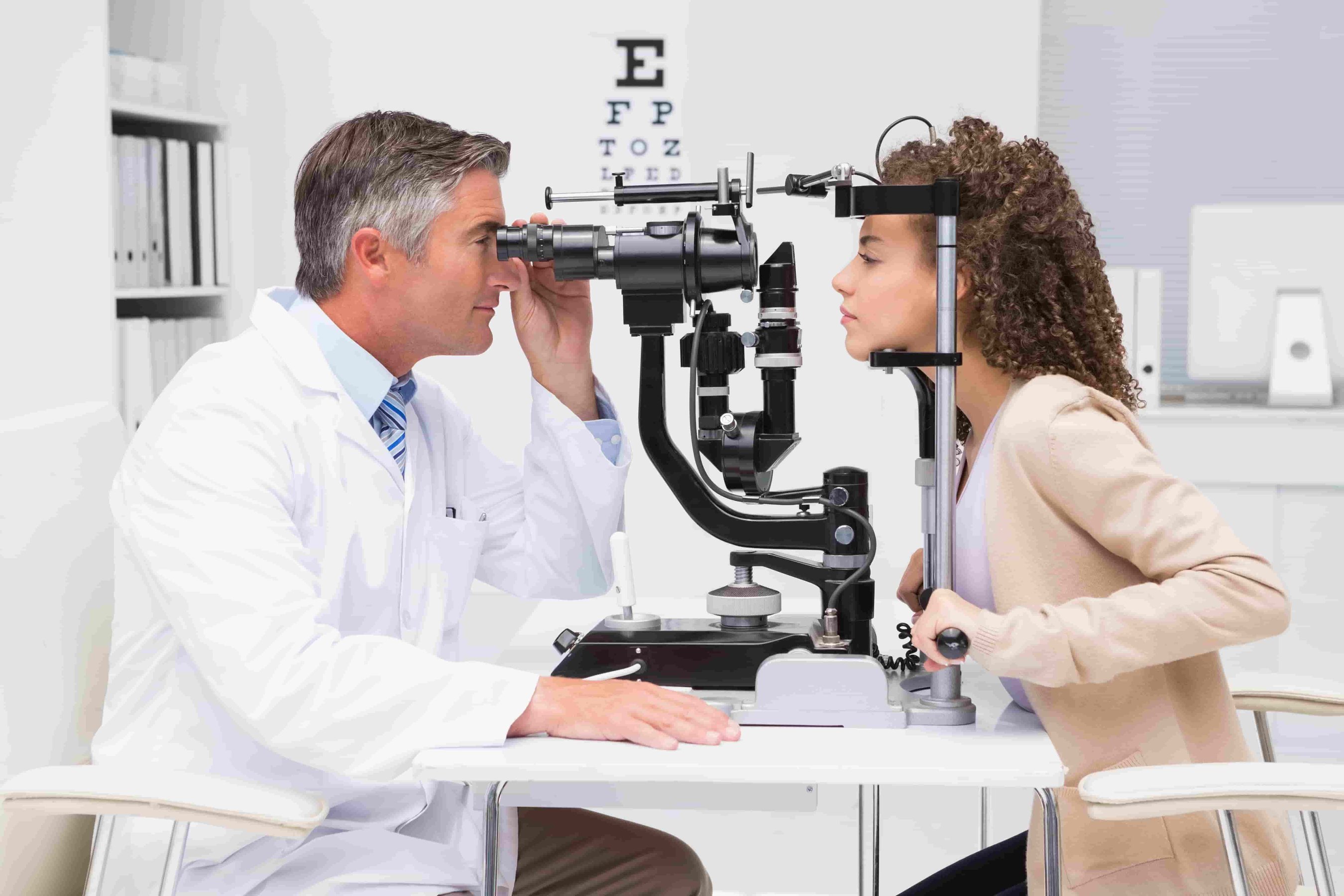
Ophthalmology is the branch of medicine and surgery that focuses on the diagnosis, treatment, and prevention of eye disorders and visual systems. It combines medical and surgical techniques to address a wide range of eye conditions, from common refractive errors like myopia (nearsightedness) to complex surgeries for diseases such as cataracts, glaucoma, and macular degeneration. As one of the most dynamic fields in modern medicine, ophthalmology offers significant opportunities for specialization, making it an attractive career for those interested in both medical science and surgery.
The study of ophthalmology typically begins with a medical degree (MBBS), followed by a postgraduate degree such as MS (Master of Surgery) in Ophthalmology or a DNB (Diplomate of National Board) in Ophthalmology. These programs provide extensive theoretical knowledge of the anatomy of the eye, the physiology of vision, and the pathophysiology of various ocular diseases. Surgical techniques, including cataract removal, laser eye surgeries like LASIK, and treatment for retinal disorders, are integral to the curriculum. Clinical exposure in hospitals and specialty clinics plays a crucial role in equipping students with the hands-on experience needed to treat patients effectively.
In ophthalmology, specializations such as retina, cornea, glaucoma, pediatric ophthalmology, neuro-ophthalmology, and refractive surgery provide opportunities for further expertise. Retina specialists focus on diseases affecting the back of the eye, such as diabetic retinopathy, macular degeneration, and retinal detachment. Cornea specialists are concerned with diseases of the cornea, including keratoconus, corneal transplants, and infections. Glaucoma specialists are trained to manage intraocular pressure and prevent damage to the optic nerve, a leading cause of blindness.
Another exciting aspect of ophthalmology is its technological innovation. With the advent of laser technologies, robot-assisted surgeries, and advanced imaging techniques like optical coherence tomography (OCT), ophthalmologists can diagnose and treat eye conditions with increasing precision and effectiveness. The field is also at the forefront of stem cell research and regenerative medicine, offering promising solutions for previously untreatable eye conditions.
The demand for ophthalmologists is rising globally due to the increasing prevalence of age-related visual impairments, such as cataracts and macular degeneration, as well as the growing use of technology, which is linked to an increase in digital eye strain and refractive errors. Ophthalmologists can work in hospitals, private practices, research institutions, universities, and healthcare organizations, and some may even establish their own private clinics focusing on particular subfields like laser vision correction or pediatric eye care.
Ophthalmology is one of the most rewarding medical fields, combining clinical expertise, surgical skills, and a high degree of patient satisfaction due to the life-changing impact it can have on vision and quality of life. It is a field that continues to evolve rapidly, offering substantial career opportunities for those passionate about eye care.

Course Scope
Course Scope in Ophthalmology
The scope of ophthalmology is vast, offering a variety of career paths, specialization opportunities, and a broad field of practice. As a rapidly advancing medical field, ophthalmology provides both clinical and surgical roles, making it an attractive choice for medical professionals seeking to combine patient care with surgical expertise.
1. Clinical Practice
After completing the requisite postgraduate qualifications such as MS (Master of Surgery) in Ophthalmology or DNB (Diplomate of National Board) in Ophthalmology, ophthalmologists can choose to work in clinical settings. They often work in hospitals, private clinics, or healthcare centers, providing consultations, diagnosis, and treatment for a variety of eye conditions. The most common conditions treated include:
- Refractive Errors: Myopia, hyperopia, astigmatism, and presbyopia.
- Cataracts: A leading cause of blindness, requiring surgical intervention.
- Glaucoma: Early diagnosis and ongoing management of this chronic condition.
- Macular Degeneration: A condition related to aging that affects the central vision.
- Retinal Disorders: Diabetic retinopathy, retinal detachment, and macular hole treatment.
Ophthalmologists can also focus on preventive eye care, performing regular eye exams and screening for conditions like diabetic retinopathy or glaucoma, which often go unnoticed until they are advanced.
2. Surgical Interventions
One of the most distinctive aspects of ophthalmology is the range of surgical procedures involved. Ophthalmic surgeons perform a variety of eye surgeries, including:
- Cataract Surgery: One of the most common surgeries worldwide, involving the removal of the cloudy lens and its replacement with an artificial intraocular lens.
- Laser Eye Surgery: Procedures like LASIK and PRK to treat refractive errors and reduce or eliminate dependence on glasses or contact lenses.
- Glaucoma Surgery: Aims to reduce intraocular pressure to prevent damage to the optic nerve, including trabeculectomy and tube shunt surgery.
- Retinal Surgery: Involves procedures to treat conditions like retinal detachment, diabetic retinopathy, and macular holes.
- Corneal Transplantation: For patients with corneal diseases that cannot be treated with medication alone.
Ophthalmologists skilled in surgery are in high demand, as these procedures directly improve patients' quality of life by preserving or restoring vision.
3. Specializations and Sub-specialties
Ophthalmology offers a wealth of specialization opportunities that enable practitioners to narrow their focus and gain expertise in particular areas. Some of the major sub-specialties include:
- Retina: Focused on treating diseases affecting the retina, such as macular degeneration, diabetic retinopathy, and retinal detachment.
- Cornea: Specializes in diseases of the cornea, including corneal transplants, infections, and dry eye disease.
- Glaucoma: Concentrates on diagnosing and managing glaucoma, which causes irreversible blindness if untreated.
- Pediatric Ophthalmology: Specializes in treating eye conditions in children, such as strabismus (crossed eyes), amblyopia (lazy eye), and congenital eye disorders.
- Neuro-ophthalmology: Deals with the overlap between the nervous system and the eye, focusing on conditions like optic neuritis, visual field defects, and eye movement disorders.
- Refractive Surgery: Specializes in surgical correction of refractive errors, including LASIK and SMILE (Small Incision Lenticule Extraction).
4. Research and Academic Opportunities
The field of ophthalmology is also rich in research and academic opportunities. Innovations in laser technology, gene therapy, and stem cell research are continuously changing the landscape of eye care. Ophthalmologists can contribute to clinical research, studying new treatments, surgical techniques, or technologies, or focus on basic science research, exploring the underlying causes of eye diseases.
Academic institutions also require trained professionals to teach the next generation of ophthalmologists. Medical schools and research institutes offer opportunities for teaching and mentoring in ophthalmology, with ophthalmologists actively involved in both undergraduate and postgraduate education.
5. Employment Opportunities
The scope of ophthalmology is wide, and ophthalmologists have the flexibility to pursue careers in:
- Hospitals and Healthcare Institutions: Public or private hospitals, specialized eye hospitals, or multispecialty hospitals with ophthalmology departments.
- Private Practice: Many ophthalmologists establish their own clinics, either independently or as part of a group practice.
- Medical Device Companies: Ophthalmologists can work with medical device companies that specialize in ophthalmic surgical tools, diagnostic equipment, and pharmaceutical products.
- International Opportunities: With the growing demand for eye care worldwide, ophthalmologists can work in international health organizations or provide services in countries with a high need for eye care.

Course Syllabus & Subjects
1. Basic Sciences and Ophthalmic Anatomy
- Ophthalmic Anatomy and Physiology: Understanding the structure and function of the eye, the ocular system, and related neurological connections is fundamental. Topics include the anatomy of the cornea, retina, lens, optic nerve, and ocular muscles.
- Biochemistry of Vision: Covers the biochemical processes involved in vision, including the functioning of retinal cells, photoreception, and visual pathways.
2. General Ophthalmology
- Clinical Ophthalmology: This subject provides foundational knowledge on the clinical examination of patients, including visual acuity testing, slit-lamp examination, and fundoscopy. It focuses on diagnosing common eye diseases such as conjunctivitis, dry eyes, pterygium, and blepharitis.
- Optics and Refraction: Teaches the principles of light and refraction, including the measurement of refractive errors and prescribing glasses or contact lenses for conditions such as myopia, hyperopia, astigmatism, and presbyopia.
3. Ophthalmic Pathology
- Ocular Pathology: Covers diseases affecting various parts of the eye, including the cornea, lens, retina, and optic nerve. It includes the study of tumors, infections, autoimmune diseases, and degenerative conditions like macular degeneration and diabetic retinopathy.
- Retinal Pathology: Focuses on the study of diseases affecting the retina, such as retinal detachment, macular degeneration, and diabetic retinopathy.
4. Surgical Ophthalmology
- Basic and Advanced Surgical Techniques: Practical training in surgical procedures, such as cataract surgery, glaucoma surgery, corneal transplants, and retinal surgery. Students learn about the various surgical instruments, their functions, and how to perform ocular surgeries with precision.
- Laser Surgery: Includes the study of laser technologies like LASIK for refractive surgery, photocoagulation for retinal conditions, and YAG laser capsulotomy for post-cataract surgery complications.
5. Specialization in Ophthalmology
- Retina and Vitreous: A deeper dive into the diagnosis and treatment of retinal diseases, such as retinal vein occlusion, diabetic retinopathy, and macular degeneration. Surgical procedures like retinal detachment repair and vitrectomy are also taught.
- Glaucoma: Focuses on the diagnosis, medical management, and surgical techniques for treating glaucoma to manage intraocular pressure and prevent optic nerve damage.
- Cornea and External Eye Diseases: Covers conditions like keratoconus, corneal transplants, dry eye syndrome, and other external eye diseases. This includes surgical procedures for corneal grafting and refractive surgery.
- Pediatric Ophthalmology: Deals with childhood eye diseases such as strabismus (crossed eyes), amblyopia (lazy eye), congenital cataracts, and retinopathy of prematurity (ROP).
- Neuro-Ophthalmology: A specialized field that focuses on the connection between the eyes and the nervous system, including optic neuritis, papilledema, and visual field defects.
6. Clinical Ophthalmic Practice
- Ophthalmic Diagnostics: Training in the use of advanced diagnostic tools, such as optical coherence tomography (OCT), fundus photography, visual field tests, and biometry for cataract surgery planning.
- Ophthalmic Pharmacology: Study of the medications used in the treatment of eye conditions, including antibiotics, antivirals, steroids, glaucoma medications, and topical agents for eye care.
7. Public Health and Preventive Ophthalmology
- Epidemiology of Eye Diseases: This subject focuses on the prevention and early detection of eye diseases, particularly in populations at risk of visual impairment. It includes learning about national programs for blindness prevention and eye care in low-income regions.
- Ophthalmic Community Health: Covers the role of ophthalmologists in improving public health through screening programs, health awareness, and community outreach, especially for diseases like cataracts and glaucoma.
8. Research Methodology and Ethics
- Research in Ophthalmology: This subject prepares students for academic and clinical research, covering topics like clinical trials, statistical methods, and how to conduct research in the field of ophthalmic diseases.
- Medical Ethics: Teaching students the ethical considerations in patient care, surgical procedures, and the use of advanced technologies in eye care.
Questions about the Ophthalmology?
Let our experts provide the answers – talk to us today!


Course Eligibility
Course Eligibility for Ophthalmology
To pursue a career in Ophthalmology, candidates must meet certain educational and clinical requirements. These eligibility criteria can vary slightly depending on the country and specific institutions, but the general pathway remains consistent.
1. Eligibility for Undergraduate (MBBS)
The first step to becoming an ophthalmologist is to complete an undergraduate medical degree, typically a Bachelor of Medicine, Bachelor of Surgery (MBBS). The eligibility requirements for MBBS are as follows:
- Educational Qualification: Candidates must have completed their 10+2 or equivalent education with a focus on Physics, Chemistry, and Biology as compulsory subjects.
- Minimum Marks: Most medical colleges require a minimum aggregate score of around 50% in the 12th grade, although this may vary by institution or region.
- Entrance Exam: Admission to MBBS programs is usually through national or state-level entrance exams, such as NEET (National Eligibility cum Entrance Test) in India or the MCAT (Medical College Admission Test) in other countries.
- Age Limit: Candidates are generally required to be at least 17 years old at the time of admission, and there is often an upper age limit (e.g., 25 years in India).
2. Eligibility for Postgraduate (MS or DNB in Ophthalmology)
After completing the MBBS degree, candidates who wish to specialize in ophthalmology can pursue a Master of Surgery (MS) in Ophthalmology or a Diplomate of National Board (DNB) in Ophthalmology. The eligibility for postgraduate ophthalmology programs includes:
- Educational Qualification: Candidates must have successfully completed their MBBS degree from a recognized medical college and university.
- Minimum Marks: A certain percentage in the MBBS exams is required, usually 50-60% aggregate in the undergraduate course, though this can vary.
- Entrance Exam: Admission to MS Ophthalmology or DNB Ophthalmology programs is typically through entrance exams such as NEET-PG (in India), AIIMS PG, or JIPMER PG. These exams assess candidates' knowledge and clinical skills.
- Internship: After completing the MBBS degree, candidates must undergo a compulsory internship of 1 year in a medical setting, gaining practical experience before starting their postgraduate training.
3. Eligibility for Fellowship Programs
After completing a postgraduate degree, ophthalmologists can further specialize by pursuing fellowship programs in specific subfields of ophthalmology, such as retina, cornea, glaucoma, or pediatric ophthalmology. The eligibility requirements for fellowship programs are:
- Postgraduate Qualification: Candidates must have completed their MS/DNB in Ophthalmology.
- Experience: Some fellowship programs may require candidates to have clinical experience or have worked in a specific subspecialty area.
- Selection Criteria: Fellowship programs may require candidates to clear specific selection exams or interviews conducted by the respective institutions.
4. General Requirements
- Skills and Competencies: Ophthalmology candidates must have a keen interest in medical sciences, excellent manual dexterity, attention to detail, and a strong desire to help patients maintain or improve their vision.
- Physical and Mental Stamina: Given the precision required in surgeries and the long working hours, candidates must possess physical and mental resilience.

Course Level
1. Undergraduate Level (MBBS)
At the undergraduate level, ophthalmology is typically introduced as part of the MBBS (Bachelor of Medicine, Bachelor of Surgery) program, which is the first step toward becoming a medical doctor. During the MBBS program, students are taught the basics of general medical sciences, anatomy, physiology, and biochemistry, which form the foundation for understanding the human eye and vision system. In the later years of the MBBS program, ophthalmology-specific training is provided, where students are introduced to:
- Basic Eye Anatomy and Physiology: Understanding the structure and function of the eye.
- Common Eye Diseases: Basic training in diagnosing and managing common eye conditions such as conjunctivitis, myopia, and presbyopia.
- Basic Surgical Techniques: Exposure to simple procedures, like eye examination, and training in minor surgical interventions.
Ophthalmology is often covered as a short-term rotation or clinical posting in the later years of MBBS, allowing students to observe the role of ophthalmologists in patient care and surgery.
2. Postgraduate Level (MS/DNB in Ophthalmology)
After completing the MBBS degree, medical graduates can pursue specialized training in ophthalmology at the postgraduate level. This level focuses on advanced knowledge, clinical practice, and surgical skills necessary to become a proficient ophthalmologist. There are two primary postgraduate programs in ophthalmology:
- MS (Master of Surgery) in Ophthalmology: A 3-year program that provides extensive training in clinical and surgical ophthalmology. This program is offered by various medical colleges and universities.
- DNB (Diplomate of National Board) in Ophthalmology: An alternative to the MS program, awarded by the National Board of Examinations (NBE) in India. It involves a similar curriculum to MS, including training in advanced surgeries, diagnostics, and patient care.
The postgraduate level includes the following specialized training:
- Advanced Diagnostic Skills: Using tools like retinal imaging, visual field testing, and optical coherence tomography (OCT) to diagnose complex eye conditions.
- Surgical Techniques: Advanced training in performing surgeries such as cataract surgery, glaucoma surgery, corneal transplants, and retinal surgeries.
- Specialization: During the final years of postgraduate training, ophthalmologists may choose to specialize in subfields like retina, cornea, glaucoma, pediatric ophthalmology, or neuro-ophthalmology.
3. Fellowship and Super-Specialization
After completing a postgraduate degree in ophthalmology, ophthalmologists can pursue fellowships or super-specializations to focus on specific areas of eye care. Fellowship programs typically last 1-2 years and offer in-depth training in areas such as:
- Retina Fellowship: Specializing in diseases of the retina, including diabetic retinopathy, macular degeneration, and retinal detachment.
- Cornea and External Eye Diseases Fellowship: Focused on corneal transplantation, refractive surgery, and ocular surface diseases.
- Glaucoma Fellowship: Specializing in the management and surgical treatment of glaucoma.
- Pediatric Ophthalmology Fellowship: Focused on treating childhood eye conditions such as strabismus, amblyopia, and retinopathy of prematurity.
Fellowships allow ophthalmologists to become highly skilled in specific sub-specialties and enhance their career prospects by focusing on niche areas of practice.
4. Research and Academic Level
At this level, ophthalmologists can further their careers by engaging in research and teaching. They may pursue a PhD or other research-based programs to contribute to the scientific community through advancements in ocular medicine, eye surgery techniques, and vision health. Additionally, ophthalmologists at the academic level can teach in medical schools, guiding the next generation of doctors in ophthalmic education and clinical practice.
Confused about the course content?
Get clarity from our experts – start the conversation!
Similar Courses
Recruiters
Top Recruiters:
1. Government Hospitals and Health Institutions
- All India Institute of Medical Sciences (AIIMS): AIIMS is one of the most prestigious medical institutions in India, providing ophthalmology services and advanced training to ophthalmologists.
- Postgraduate Institute of Medical Education and Research (PGIMER): PGIMER, located in Chandigarh, is renowned for its postgraduate medical programs and is a major employer of ophthalmologists.
- Regional Eye Hospitals: Various regional and state-run eye hospitals offer specialized services in eye care, such as cataract surgery, glaucoma treatment, and retinal diseases.
- Indian Armed Forces: The Indian Army and Navy offer positions for ophthalmologists, where they provide eye care to military personnel and their families.
2. Private Hospitals and Healthcare Chains
- Fortis Healthcare: A leading private healthcare provider in India, Fortis operates several multi-specialty hospitals and has an ophthalmology department that hires trained professionals.
- Apollo Hospitals: Apollo’s network of hospitals across India employs ophthalmologists in their specialized eye care units, providing both surgical and clinical services.
- Max Healthcare: Max Healthcare offers positions for ophthalmologists in its network of hospitals, specializing in eye surgeries and medical management of ocular conditions.
- Manipal Hospitals: A well-known healthcare group that recruits ophthalmologists to provide both general and specialized eye care across its multiple locations.
3. Specialized Eye Hospitals
- Shankar Nethralaya: Located in Chennai, Shankar Nethralaya is one of India’s top eye care hospitals, specializing in retina, cornea, glaucoma, and pediatric ophthalmology.
- LV Prasad Eye Institute: This leading institution in Hyderabad is renowned for its contribution to eye care, particularly in low-cost treatments and advanced surgeries. It is one of the largest employers of ophthalmologists in India.
- Narayana Nethralaya: A multi-specialty eye hospital based in Bangalore, Narayana Nethralaya specializes in retina, glaucoma, and cataract surgery, offering numerous career opportunities in ophthalmology.
4. Medical Research and Academic Institutions
- Indian Council of Medical Research (ICMR): Ophthalmologists involved in clinical research can find opportunities at ICMR for studies related to ocular diseases, vision health, and treatment innovation.
- Research Institutes and Universities: Institutions like JIPMER, KEM Hospital, and SRM Medical College offer academic positions and research opportunities in ophthalmology.
- Tata Memorial Centre: This Mumbai-based hospital also specializes in research and clinical trials in ocular oncology and related fields.
5. Medical Device and Pharmaceutical Companies
- Alcon: A global leader in eye care products, including surgical instruments, lenses, and diagnostic equipment. Ophthalmologists can work in research, sales, and product development.
- Johnson & Johnson Vision: J&J's vision division focuses on ophthalmic surgical devices and contact lenses, providing opportunities for ophthalmologists in R&D, clinical trials, and marketing.
- Bausch & Lomb: Specializing in eye care products, contact lenses, and surgical equipment, Bausch & Lomb hires ophthalmologists for various roles, including product development, training, and customer education.
6. NGOs and International Organizations
- HelpMeSee: A global nonprofit organization focused on curing cataract blindness, HelpMeSee recruits ophthalmologists to work on international blindness prevention programs.
- Orbis International: A non-profit organization that works globally to prevent blindness, Orbis offers positions for ophthalmologists in their eye hospitals and on medical missions.
- Aravind Eye Care: Based in Tamil Nadu, Aravind is one of the largest eye care organizations in the world, focusing on both high-volume surgeries and low-cost treatments. It actively hires ophthalmologists to help provide care across India and globally.
7. Private Practice and Independent Clinics
Many ophthalmologists choose to establish their private practices or work in multi-specialty clinics, offering a flexible work environment. As an ophthalmologist in private practice, professionals can provide personalized care, specializing in refractive surgery, cataract surgery, and general eye care.
8. International Opportunities
For ophthalmologists seeking to work abroad, opportunities are available in global health organizations and in developed countries with advanced healthcare systems, such as the USA, UK, Canada, and Australia. Prominent international institutions include:
- Mayo Clinic (USA)
- Johns Hopkins Medicine (USA)
- National Health Service (NHS) (UK)
Don't let doubts hold you back.
Connect with our experts to resolve any course questions!
Popular Courses

Btech Computer Science
Starting at -/₹144,555
Btech Civil Engineering
Starting at -/₹23,000
MBA Banking Management
Starting at -/₹NaN
MA History
Starting at -/₹140,000
BA Philosophy
Starting at -/₹10,000
BS Bio Engineering
Starting at -/₹54,000Popular Colleges
![Army College of Dental Sciences - [ACDS], Secunderabad](https://dekhocampus.s3.ap-south-1.amazonaws.com/college-banner/banner_39829-20231226T125957343Z-001992.jpg)
Army College of Dental Sciences - [ACDS], Secunderabad
Apply Now![Institute of Advanced Management Research - [IAMR], Ghaziabad](https://dekhocampus.s3.ap-south-1.amazonaws.com/college-banner/banner_41311-20231226T125957343Z-001992.jpg)
Institute of Advanced Management Research - [IAMR], Ghaziabad
Apply Now![International Institute of Fashion Design - [INIFD], Pune](https://devdc.s3.eu-north-1.amazonaws.com/1720002993279_image_2024-07-03_160629635.png)
International Institute of Fashion Design - [INIFD], Pune
Apply Now![Indian Institute of Forest Management - [IIFM], Bhopal](https://devdc.s3.eu-north-1.amazonaws.com/1720081628634_image_2024-07-04_135703241.png)
Indian Institute of Forest Management - [IIFM], Bhopal
Apply Now
Banarsidas Chandiwala Institute of Hotel Management & Catering Technology, New Delhi
Apply Now![ICFAI Business School - [IBS], Kolkata](https://dekhocampus.s3.ap-south-1.amazonaws.com/college-banner/banner_89539-20231226T125957343Z-001992.jpg)
ICFAI Business School - [IBS], Kolkata
Apply NowAddress
RZ 43 Sudan Garden, Najafgarh, New Delhi - 110043Opening Hours
Monday - Saturday: 9:00 AM - 07:00 PM
Sunday: 10:00 AM - 06:00 PM