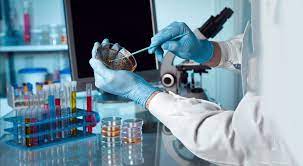
M.Sc - Medical Microbiology
Starting From
₹NaN /- Per Year

About Course
A Master of Science (M.Sc) in Medical Microbiology is a postgraduate program that delves into the study of microorganisms, focusing specifically on those relevant to human health and diseases. This field is integral to understanding the causes, transmission, and treatment of various infectious diseases. The program is designed to equip students with advanced knowledge, laboratory skills, and research capabilities in medical microbiology.
Curriculum: The curriculum for M.Sc in Medical Microbiology typically encompasses a combination of theoretical coursework, practical laboratory sessions, and research projects. Common subjects covered in the program include:
Microbial Anatomy and Physiology:
- Detailed study of the structure and function of bacteria, viruses, fungi, and parasites.
Immunology:
- Exploration of the immune system, including its components, functions, and responses to infections.
Medical Virology:
- In-depth analysis of viruses that cause diseases in humans, their classification, and replication mechanisms.
Medical Bacteriology:
- Study of bacteria and their role in infectious diseases, antibiotic resistance, and diagnostic methods.
Medical Parasitology:
- Examination of parasitic organisms and their impact on human health, covering protozoa, helminths, and arthropods.
Mycology:
- Exploration of fungal infections, their identification, and management.
Diagnostic Microbiology:
- Techniques for isolating, identifying, and characterizing microorganisms responsible for diseases.
Epidemiology:
- Analysis of the distribution and determinants of infectious diseases in populations.
Molecular Biology Techniques:
- Application of molecular techniques in studying microorganisms, including PCR, DNA sequencing, and gene expression analysis.
Research Methodology:
- Training in research design, data collection, statistical analysis, and interpretation of results.
Antimicrobial Agents and Resistance:
- Study of antimicrobial drugs, mechanisms of action, and the emergence of resistance.
Public Health Microbiology:
- Application of microbiological principles to public health, including outbreak investigations and preventive measures.
Practical Training: Hands-on laboratory work is a crucial component of the program. Students gain practical experience in techniques such as culturing microorganisms, using advanced diagnostic tools, and conducting experiments in molecular biology.
Research Projects: Many M.Sc programs require students to undertake a research project, where they have the opportunity to explore a specific aspect of medical microbiology in depth. This may involve conducting experiments, analyzing data, and presenting findings.
Career Opportunities: Graduates with an M.Sc in Medical Microbiology have diverse career opportunities in various sectors:
Clinical Microbiology Laboratories:
- Work as microbiologists in hospitals and diagnostic laboratories, conducting tests to identify infectious agents.
Pharmaceutical Industry:
- Contribute to research and development of antimicrobial drugs, vaccines, and diagnostic tools.
Public Health Agencies:
- Work in public health departments, contributing to disease surveillance, outbreak investigations, and preventive measures.
Academic and Research Institutions:
- Pursue a career in academia, teaching and conducting research in medical microbiology.
Biotechnology Companies:
- Contribute to biotechnological research, especially in areas related to healthcare and diagnostics.
Government Health Departments:
- Work on policy development, disease control, and public health initiatives.
Pharmaceutical Quality Control:
- Ensure the quality and safety of pharmaceutical products by conducting microbiological testing.
Medical Writing and Communication:
- Engage in scientific writing, communication, and education related to medical microbiology.
Doctoral Studies: Many graduates opt to pursue Ph.D. studies to deepen their expertise and engage in advanced research projects. A Ph.D. in Medical Microbiology opens avenues for leadership roles, academic positions, and further contributions to scientific knowledge.
Conclusion: An M.Sc in Medical Microbiology provides a comprehensive understanding of microorganisms and their impact on human health. It equips graduates with the skills and knowledge needed for various roles in healthcare, research, and public health. The program plays a critical role in training professionals who contribute to the ongoing efforts to combat infectious diseases and advance the field of medical microbiology.

Course Scope
The scope for individuals with expertise in Medical Microbiology is diverse and extends across various sectors within healthcare, research, and public health. A Master of Science (M.Sc) in Medical Microbiology equips graduates with specialized knowledge and practical skills related to the study of microorganisms and their impact on human health. Here are key aspects of the course scope for Medical Microbiology:
Clinical Microbiology:
- Graduates can work in clinical microbiology laboratories in hospitals and diagnostic centers, conducting tests to identify infectious agents, perform antimicrobial susceptibility testing, and contribute to patient care.
Infectious Disease Research:
- Opportunities exist for graduates to engage in research focused on infectious diseases, exploring the mechanisms of pathogenesis, novel treatment strategies, and the development of diagnostic tools.
Pharmaceutical and Biotechnology Industries:
- Contributions can be made to the pharmaceutical and biotechnology sectors, particularly in areas related to antimicrobial drug development, vaccine research, and the design of diagnostic assays.
Public Health Departments:
- Graduates may work in public health agencies, contributing to disease surveillance, outbreak investigations, and the development of preventive measures. This includes roles in epidemiology and control of infectious diseases.
Academic and Research Institutions:
- Opportunities exist in universities and research institutions, where graduates can pursue academic careers, teach microbiology courses, and conduct cutting-edge research.
Hospital Administration and Infection Control:
- Graduates can work in hospital administration, contributing to infection control measures, managing healthcare-associated infections, and ensuring the implementation of best practices in microbiology.
Pharmaceutical Quality Control:
- Careers in pharmaceutical quality control involve ensuring the safety and quality of pharmaceutical products through rigorous microbiological testing.
Biomedical Laboratories:
- Graduates can contribute to biomedical research laboratories, focusing on various aspects of microbiology, molecular biology, and immunology.
Government Regulatory Agencies:
- Opportunities exist in regulatory bodies that oversee healthcare and pharmaceutical products, ensuring compliance with microbiological standards and safety regulations.
Vaccine Development and Production:
- Graduates can work in the field of vaccine development, participating in research and production processes to combat infectious diseases.
Biodefense and Biosecurity:
- Graduates may contribute to efforts in biodefense and biosecurity, addressing the potential threat of bioterrorism and ensuring preparedness for public health emergencies.
Healthcare Consulting:
- Opportunities exist in healthcare consulting firms, where graduates can provide expertise in microbiology, infectious diseases, and healthcare management.
Diagnostic and Biomedical Technology Companies:
- Graduates can work in companies that develop and produce diagnostic technologies, including molecular diagnostics, rapid testing kits, and other microbiology-related products.
Environmental Microbiology:
- Graduates may explore careers in environmental microbiology, studying microorganisms in various environments and addressing issues related to water, soil, and air quality.
International Health Organizations:
- Opportunities exist to work with international health organizations, addressing global health challenges, particularly those related to infectious diseases.
Biotechnology Startups:
- Graduates with entrepreneurial aspirations can contribute to or establish biotechnology startups, focusing on innovative solutions in microbiology and healthcare.
Clinical Trials and Research Coordination:
- Graduates can work in the coordination and management of clinical trials, ensuring compliance with regulatory standards and ethical guidelines in microbiology-related studies.
Health Journalism and Communication:
- Graduates with strong communication skills can explore opportunities in health journalism, scientific writing, and communication of microbiology-related topics to the public.
The interdisciplinary nature of Medical Microbiology allows graduates to contribute to various aspects of healthcare, research, and public health. The continuous evolution of infectious diseases and the emergence of new pathogens highlight the ongoing need for skilled professionals in this field. As such, the course scope for Medical Microbiology is dynamic, offering a wide array of opportunities for individuals passionate about understanding and addressing microbial threats to human health.

Course Syllabus & Subjects
Microbial Anatomy and Physiology:
- Study of the structure and function of microorganisms, including bacteria, viruses, fungi, and parasites.
Immunology:
- Exploration of the immune system, including innate and adaptive immunity, immunological disorders, and immune responses to infections.
Medical Virology:
- In-depth analysis of viruses that cause diseases in humans, their classification, replication mechanisms, and antiviral strategies.
Medical Bacteriology:
- Study of bacteria and their role in infectious diseases, antibiotic resistance, and diagnostic methods.
Medical Parasitology:
- Examination of parasitic organisms, including protozoa, helminths, and arthropods, and their impact on human health.
Mycology:
- Exploration of fungal infections, their identification, and management.
Diagnostic Microbiology:
- Techniques for isolating, identifying, and characterizing microorganisms responsible for diseases, including culture methods and molecular diagnostics.
Epidemiology:
- Analysis of the distribution and determinants of infectious diseases in populations, including outbreak investigations and surveillance.
Molecular Biology Techniques:
- Application of molecular techniques in studying microorganisms, including polymerase chain reaction (PCR), DNA sequencing, and gene expression analysis.
Research Methodology:
- Training in research design, data collection, statistical analysis, and interpretation of results.
Antimicrobial Agents and Resistance:
- Study of antimicrobial drugs, mechanisms of action, and the emergence of resistance.
Public Health Microbiology:
- Application of microbiological principles to public health, including preventive measures and control of infectious diseases.
Clinical Microbiology:
- Practical aspects of working in clinical microbiology laboratories, including specimen processing, culture techniques, and interpretation of results.
Immunodiagnostics:
- Application of immunological methods in diagnostics, including serological tests and immunoassays.
Bioinformatics in Microbiology:
- Use of computational tools and bioinformatics in the analysis of microbiological data, including genomics and proteomics.
Emerging Infectious Diseases:
- Exploration of newly identified infectious diseases, their origins, and the global impact of emerging pathogens.
Infection Control and Hospital Hygiene:
- Strategies for preventing and controlling healthcare-associated infections, emphasizing hygiene practices in healthcare settings.
Vaccinology:
- Study of vaccine development, immunization programs, and the role of vaccines in preventing infectious diseases.
Applied Microbial Genetics:
- Application of genetic principles in understanding microbial diversity, evolution, and adaptation.
Bioethics in Microbiology:
- Exploration of ethical considerations in microbiological research, including issues related to human subjects, animal testing, and biotechnology.
Environmental Microbiology:
- Study of microorganisms in various environments, including water, soil, and air, and their impact on public health.
Biostatistics:
- Application of statistical methods in the analysis and interpretation of microbiological data.
Pharmaceutical Microbiology:
- Application of microbiological principles in the pharmaceutical industry, including quality control and validation.
Clinical Trials and Research:
- Practical aspects of designing and conducting clinical trials in the field of microbiology.
Dissertation/Research Project:
- Independent research project under the guidance of faculty, allowing students to explore a specific area of interest in-depth.
Questions about the M.Sc - Medical Microbiology?
Let our experts provide the answers – talk to us today!


Course Eligibility
The eligibility criteria for pursuing a Master of Science (M.Sc) in Medical Microbiology can vary slightly between universities and institutions. However, there are common requirements that candidates typically need to meet. Below are general eligibility criteria for an M.Sc in Medical Microbiology:
Educational Qualifications:
- Candidates should have a bachelor's degree in a relevant field from a recognized university or institution. The field of study may include microbiology, biology, biochemistry, biotechnology, or a related discipline.
Minimum Percentage or Grade:
- Many institutions have a minimum percentage or grade requirement for the qualifying bachelor's degree. This requirement can vary, but candidates are generally expected to have a competitive academic record.
Background in Biological Sciences:
- A strong background in biological sciences is usually preferred. Courses in microbiology, immunology, biochemistry, and related subjects during the undergraduate program are beneficial.
Entrance Examinations:
- Some universities may require candidates to take specific entrance examinations as part of the admission process. These exams may assess the candidate's knowledge in subjects related to microbiology and other relevant areas.
English Language Proficiency:
- For international applicants or those whose primary language is not English, proficiency in English is often required. Commonly accepted English language proficiency tests include the TOEFL (Test of English as a Foreign Language) or IELTS (International English Language Testing System).
Letters of Recommendation:
- Some institutions may request letters of recommendation as part of the application. These letters are typically provided by academic or professional references who can attest to the candidate's qualifications and potential for success in the program.
Statement of Purpose (SOP) or Personal Statement:
- Candidates may be required to submit a statement of purpose or a personal statement as part of the application. This document allows candidates to articulate their motivations for pursuing an M.Sc in Medical Microbiology, career goals, and how the program aligns with their aspirations.
Interview:
- In some cases, institutions may conduct interviews as part of the selection process. The interview provides an opportunity for the admissions committee to assess the candidate's suitability for the program.
Relevant Work Experience (Optional):
- While not always mandatory, some programs may consider relevant work experience in microbiology, healthcare, or related fields as a positive factor in the admissions process.
Prerequisite Courses:
- Some programs may have specific prerequisite courses that candidates are required to have completed during their undergraduate studies. These courses are typically related to microbiology and other foundational sciences.
Prospective candidates should carefully review the specific eligibility criteria outlined by the institution to which they plan to apply, as requirements can vary. Meeting the minimum eligibility criteria is the first step, and candidates are encouraged to present a strong application that highlights their academic achievements, relevant coursework, and enthusiasm for pursuing advanced studies in medical microbiology.

Course Level
Confused about the course content?
Get clarity from our experts – start the conversation!
Similar Courses
Recruiters
Top Recruiters:
Hospitals and Healthcare Institutions:
- Roles: Clinical microbiologists, laboratory technicians, infection control specialists.
- Recruiters: Major hospitals, healthcare networks, and medical research institutions.
Pharmaceutical and Biotechnology Companies:
- Roles: Microbiologists, research scientists, quality control analysts.
- Recruiters: Pharmaceutical companies, biotech firms, and companies involved in vaccine development.
Diagnostic Laboratories:
- Roles: Clinical microbiologists, medical laboratory technologists.
- Recruiters: Diagnostic labs, pathology laboratories, and clinical research organizations (CROs).
Academic and Research Institutions:
- Roles: Research scientists, faculty positions, postdoctoral researchers.
- Recruiters: Universities, research institutions, and academic medical centers.
Public Health Departments:
- Roles: Epidemiologists, public health microbiologists, disease control specialists.
- Recruiters: Government health agencies, public health departments, and international health organizations.
Pharmaceutical Quality Assurance:
- Roles: Quality control analysts, regulatory affairs specialists.
- Recruiters: Pharmaceutical companies, regulatory bodies, and quality assurance departments.
Biomedical Technology Companies:
- Roles: Researchers, product development specialists, technical support.
- Recruiters: Companies specializing in microbiology-related products and technologies.
Government Regulatory Agencies:
- Roles: Regulatory affairs specialists, compliance officers.
- Recruiters: Agencies overseeing healthcare, pharmaceuticals, and medical devices.
Environmental Monitoring and Testing:
- Roles: Environmental microbiologists, quality control analysts.
- Recruiters: Environmental testing laboratories, water treatment facilities, and environmental monitoring organizations.
Vaccine Development Organizations:
- Roles: Researchers, scientists, clinical trial coordinators.
- Recruiters: Organizations involved in vaccine research and development.
Infection Control and Prevention:
- Roles: Infection control practitioners, hospital epidemiologists.
- Recruiters: Healthcare institutions, public health departments, and healthcare consulting firms.
Clinical Research Organizations (CROs):
- Roles: Clinical research associates, research coordinators.
- Recruiters: Organizations conducting clinical trials and research studies.
Medical Writing and Communication:
- Roles: Medical writers, scientific communicators.
- Recruiters: Healthcare communication agencies, pharmaceutical companies, and scientific publishing firms.
Healthcare Consulting Firms:
- Roles: Healthcare consultants, advisors on microbiology-related projects.
- Recruiters: Consulting firms specializing in healthcare and life sciences.
Biodefense and Biosecurity Agencies:
- Roles: Experts in biodefense, biosecurity analysts.
- Recruiters: Government agencies focused on national security and biodefense.
Health Journalism and Communication:
- Roles: Health journalists, science communicators.
- Recruiters: Media organizations, healthcare publications, and content creation firms.
Food and Beverage Industry:
- Roles: Food microbiologists, quality control specialists.
- Recruiters: Food processing companies, regulatory agencies overseeing food safety.
Pharmaceutical Sales and Marketing:
- Roles: Sales representatives, product managers.
- Recruiters: Pharmaceutical companies and companies marketing microbiology-related products.
Don't let doubts hold you back.
Connect with our experts to resolve any course questions!
Popular Courses

Btech Computer Science
Starting at -/₹144,555
Btech Civil Engineering
Starting at -/₹23,000
MBA Banking Management
Starting at -/₹NaN
MA History
Starting at -/₹140,000
BA Philosophy
Starting at -/₹10,000
BS Bio Engineering
Starting at -/₹54,000Popular Colleges
![Army College of Dental Sciences - [ACDS], Secunderabad](https://dekhocampus.s3.ap-south-1.amazonaws.com/college-banner/banner_39829-20231226T125957343Z-001992.jpg)
Army College of Dental Sciences - [ACDS], Secunderabad
Apply Now![Institute of Advanced Management Research - [IAMR], Ghaziabad](https://dekhocampus.s3.ap-south-1.amazonaws.com/college-banner/banner_41311-20231226T125957343Z-001992.jpg)
Institute of Advanced Management Research - [IAMR], Ghaziabad
Apply Now![International Institute of Fashion Design - [INIFD], Pune](https://devdc.s3.eu-north-1.amazonaws.com/1720002993279_image_2024-07-03_160629635.png)
International Institute of Fashion Design - [INIFD], Pune
Apply Now![Indian Institute of Forest Management - [IIFM], Bhopal](https://devdc.s3.eu-north-1.amazonaws.com/1720081628634_image_2024-07-04_135703241.png)
Indian Institute of Forest Management - [IIFM], Bhopal
Apply Now
Banarsidas Chandiwala Institute of Hotel Management & Catering Technology, New Delhi
Apply Now![ICFAI Business School - [IBS], Kolkata](https://dekhocampus.s3.ap-south-1.amazonaws.com/college-banner/banner_89539-20231226T125957343Z-001992.jpg)
ICFAI Business School - [IBS], Kolkata
Apply NowAddress
RZ 43 Sudan Garden, Najafgarh, New Delhi - 110043Opening Hours
Monday - Saturday: 9:00 AM - 07:00 PM
Sunday: 10:00 AM - 06:00 PM