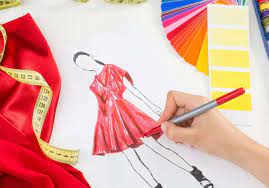
M.Sc - Fashion Design
Starting From
₹82,000 /- Per Year

About Course
A Master of Science (M.Sc.) in Fashion Design is an advanced postgraduate program that delves deeply into the art and science of fashion. This program is tailored for those who seek to refine their design skills, gain a comprehensive understanding of fashion industry dynamics, and develop a strategic approach to fashion design and production. Typically spanning two years, the M.Sc. in Fashion Design blends creativity with technical expertise, preparing graduates for leadership roles in the fashion industry.
The curriculum of an M.Sc. in Fashion Design encompasses a broad range of subjects, including advanced fashion design techniques, pattern making, textiles, and garment construction. Students explore contemporary design principles and develop innovative concepts, learning to create unique and aesthetically pleasing fashion pieces. The program often includes modules on fashion forecasting and trend analysis, helping students understand market demands and anticipate future trends.
In addition to design-focused courses, the program covers aspects of fashion business and management. Students gain insights into the commercial side of fashion, including brand management, marketing strategies, and fashion merchandising. This knowledge is crucial for managing fashion lines, launching collections, and running successful fashion enterprises.
Practical experience is a significant component of the M.Sc. in Fashion Design. Students engage in hands-on projects, internships, and collaborative work with industry professionals. These experiences allow them to apply theoretical knowledge in real-world scenarios, build a professional portfolio, and network with key players in the fashion industry. Many programs also emphasize research and development, encouraging students to explore new materials, technologies, and sustainable practices in fashion.
The program typically culminates in a final project or thesis, where students showcase their design abilities and research findings. This project often involves developing a complete fashion collection or conducting a detailed study on a specific fashion-related topic.
Graduates of an M.Sc. in Fashion Design are well-prepared for diverse career paths, including roles as fashion designers, brand managers, fashion consultants, and buyers. They may work in high-end fashion houses, retail companies, or start their own fashion ventures. The program equips them with the skills and knowledge to drive innovation in the fashion industry, contribute to design advancements, and navigate the complex landscape of global fashion markets.

Course Scope
An M.Sc. in Fashion Design offers a comprehensive education in the field of fashion, blending creativity with technical expertise. The course scope encompasses a wide range of topics that prepare students for advanced careers in fashion design, management, and related fields. Here’s a detailed look at the scope of an M.Sc. in Fashion Design:
Core Areas of Study
Advanced Fashion Design Techniques: Development of high-level design skills, including pattern making, draping, and garment construction. Students learn to create complex designs and work with various fabrics and materials.
Fashion Theory and History: In-depth study of fashion history, major fashion movements, and influential designers. This includes understanding cultural and social impacts on fashion trends.
Textile Science: Study of textile materials, including fabric properties, textile production processes, and sustainable practices. Students learn to select appropriate textiles for different designs and applications.
Fashion Illustration and Computer-Aided Design (CAD): Training in both traditional and digital illustration techniques, including the use of CAD software for designing and visualizing fashion collections.
Fashion Marketing and Merchandising: Examination of marketing strategies, consumer behavior, branding, and merchandising techniques. Students learn how to position and promote fashion products in the market.
Trend Forecasting: Techniques for predicting future fashion trends based on market research, cultural analysis, and historical data. Students learn to anticipate and respond to changes in fashion preferences.
Fashion Management: Understanding of business principles related to fashion, including project management, supply chain management, and financial planning. This prepares students for leadership roles in fashion companies.
Sustainability and Ethical Fashion: Exploration of sustainable practices in fashion design, including eco-friendly materials, ethical production methods, and social responsibility.
Research and Practical Experience
Research Methods in Fashion: Training in research techniques specific to fashion, including qualitative and quantitative methods, data analysis, and critical evaluation of fashion trends and consumer behavior.
Industry Placement and Internships: Opportunities for practical experience through internships and placements with fashion houses, design studios, and fashion retailers. This provides hands-on experience and industry connections.
Thesis or Dissertation: Completion of a research project that contributes original knowledge to the field of fashion design. This project often involves designing a collection or conducting in-depth research on a specific fashion topic.
Additional Skills
Creative Problem Solving: Development of innovative solutions to design challenges and fashion-related problems.
Communication and Presentation Skills: Enhancement of abilities to effectively present design concepts, collections, and research findings to various audiences, including clients and industry professionals.
Entrepreneurship: Skills for starting and managing a fashion business, including understanding market dynamics, business strategy, and financial management.
Career Opportunities
Graduates with an M.Sc. in Fashion Design can pursue careers in various sectors, including:
Fashion Design: Working as a designer, creative director, or technical designer.
Fashion Management: Roles in fashion buying, merchandising, and brand management.
Fashion Marketing and PR: Positions in marketing, public relations, and trend analysis.
Textile Industry: Jobs in textile production, quality control, and material development.
Fashion Education: Teaching and academic roles in fashion schools and institutions.
The M.Sc. in Fashion Design provides a broad and deep understanding of the fashion industry, equipping students with the skills needed to excel in various aspects of fashion design, management, and business.

Course Syllabus & Subjects
In an M.Sc. in Fashion Design program, students engage with a variety of subjects designed to provide a thorough understanding of fashion design and related fields. Here’s a detailed breakdown of the typical subjects covered in such a program:
Core Subjects
Advanced Fashion Design Techniques:
- Pattern Making and Draping: Creating and altering patterns, draping techniques for designing garments.
- Garment Construction: Advanced techniques in sewing, tailoring, and finishing garments.
Fashion Theory and History:
- History of Fashion: Evolution of fashion trends, major fashion movements, and influential designers.
- Fashion Theory: Analysis of fashion as a cultural and social phenomenon.
Textile Science:
- Textile Properties: Study of different fabrics, their properties, and applications.
- Textile Production: Processes involved in the production and treatment of textiles.
- Sustainable Textiles: Eco-friendly materials and practices.
Fashion Illustration and Computer-Aided Design (CAD):
- Fashion Illustration: Techniques for creating visual representations of fashion designs.
- CAD for Fashion: Using software for designing, visualizing, and presenting fashion collections.
Fashion Marketing and Merchandising:
- Fashion Marketing: Strategies for marketing fashion products, brand management, and consumer behavior.
- Merchandising: Techniques for product placement, visual merchandising, and sales strategies.
Trend Forecasting:
- Trend Analysis: Methods for predicting future fashion trends based on market research and cultural analysis.
- Market Research: Techniques for gathering and analyzing data to inform design decisions.
Fashion Management:
- Project Management: Skills for managing fashion projects and coordinating design teams.
- Supply Chain Management: Understanding the fashion supply chain, from production to retail.
- Financial Management: Budgeting, pricing, and financial planning in the fashion industry.
Sustainability and Ethical Fashion:
- Sustainable Design: Principles of designing with environmental and social responsibility.
- Ethical Practices: Fair trade, labor practices, and ethical sourcing of materials.
Research and Practical Experience
Research Methods in Fashion:
- Research Techniques: Qualitative and quantitative methods for conducting fashion research.
- Data Analysis: Analyzing research data and applying findings to design practice.
Industry Placement and Internships:
- Hands-On Experience: Practical work experience through internships with fashion houses, studios, and retailers.
Thesis or Dissertation:
- Research Project: An original research project or design collection that contributes to the field of fashion design.
Additional Skills
Creative Problem Solving:
- Innovation in Design: Approaches to addressing design challenges and developing new concepts.
Communication and Presentation Skills:
- Design Presentation: Skills for effectively presenting design ideas and collections to clients and stakeholders.
- Public Speaking: Techniques for articulating design concepts and research findings.
Entrepreneurship:
- Fashion Business: Knowledge for starting and managing a fashion-related business, including business strategy and market analysis.
Questions about the M.Sc - Fashion Design?
Let our experts provide the answers – talk to us today!


Course Eligibility
Eligibility criteria for an M.Sc. in Fashion Design generally include the following:
1. Educational Qualification
Bachelor's Degree: Applicants typically need a Bachelor’s degree in Fashion Design, Fashion Technology, Textile Design, or a related field. Some programs may accept graduates from other disciplines if they have relevant work experience or a strong portfolio.
Minimum Marks: Most institutions require a minimum percentage or grade in the undergraduate degree, often around 50-60%. This can vary by institution.
2. Portfolio
Design Portfolio: Many programs require candidates to submit a portfolio showcasing their design work, including sketches, completed projects, and any other relevant creative work. This demonstrates the applicant's design skills and potential.
3. Entrance Exam
Entrance Test: Some institutions may require candidates to pass an entrance exam that assesses design aptitude, creativity, and technical knowledge. The format and content of the test can vary.
Personal Interview: Candidates may need to attend a personal interview or participate in a group discussion to evaluate their motivation, design philosophy, and communication skills.
4. Work Experience
Professional Experience: While not always mandatory, relevant work experience in fashion design or related fields can be beneficial and sometimes required for admission to certain programs.
5. Statement of Purpose
SOP: Applicants may be asked to submit a statement of purpose or personal statement outlining their career goals, reasons for pursuing the M.Sc. in Fashion Design, and how the program aligns with their professional aspirations.
6. Letters of Recommendation
Recommendations: Some programs require letters of recommendation from academic or professional referees who can attest to the applicant’s skills, qualifications, and potential for success in the program.
7. Language Proficiency
English Proficiency: For international students or those from non-English speaking countries, proof of English language proficiency through tests like TOEFL or IELTS may be required.
Conclusion
The eligibility criteria for an M.Sc. in Fashion Design ensure that candidates have a solid foundation in design principles, creativity, and relevant experience. Meeting these requirements demonstrates a candidate's readiness for advanced studies and professional challenges in the fashion industry.

Course Level
The course level for an M.Sc. in Fashion Design is postgraduate. This advanced degree follows the completion of an undergraduate program and is typically pursued by individuals seeking to deepen their expertise in fashion design and related fields.
Key Features of the Course Level:
Duration: The M.Sc. program usually lasts two years, though this can vary depending on the institution and whether the student is studying full-time or part-time.
Advanced Curriculum: Includes advanced courses in fashion design, trend analysis, pattern making, textiles, and fashion business management. The curriculum is designed to build on undergraduate knowledge and prepare students for specialized roles in the industry.
Practical Experience: Emphasizes hands-on learning through projects, internships, and industry collaborations. Students often work on real-world problems and develop a professional portfolio.
Research Component: Typically involves a research project or thesis, allowing students to explore specific areas of interest within fashion design in depth.
Professional Development: Prepares students for leadership and managerial roles in the fashion industry, including positions such as fashion designers, brand managers, and fashion consultants.
Career Preparation: Equips students with the skills and knowledge needed to navigate the complex fashion market and contribute to innovative design and business practices.
Overall, an M.Sc. in Fashion Design provides a thorough and advanced understanding of the fashion industry, preparing graduates for high-level positions and professional success.
Confused about the course content?
Get clarity from our experts – start the conversation!
Similar Courses
Recruiters
TOP RECRUITERS:
Top Fashion Houses and Design Studios
- Chanel: Renowned for luxury fashion and haute couture.
- Gucci: Known for high-end fashion, accessories, and leather goods.
- Prada: Famous for its innovative and stylish clothing and accessories.
- Louis Vuitton: Iconic for luxury fashion, bags, and accessories.
- Versace: Known for bold designs and high fashion.
- Dior: Renowned for its haute couture and luxury fashion items.
- Burberry: Famous for its classic trench coats and luxury apparel.
- Givenchy: Known for its elegant fashion and high-end couture.
- Balenciaga: Recognized for avant-garde and modern fashion designs.
- Yves Saint Laurent (YSL): Known for its sophisticated and classic fashion pieces.
Top Retailers and Fashion Companies
- H&M: Global fashion retailer offering trendy and affordable fashion.
- Zara: Known for fast fashion and trend-responsive clothing.
- Uniqlo: Renowned for its functional and stylish basics.
- Nordstrom: High-end department store with a wide range of fashion brands.
- Macy’s: Major retailer with diverse fashion offerings.
Fashion and Lifestyle Brands
- Tory Burch: Known for stylish and classic American fashion.
- Michael Kors: Famous for its luxury accessories and ready-to-wear fashion.
- Ralph Lauren: Renowned for its classic American style and luxury apparel.
- Kate Spade: Known for colorful and stylish accessories and clothing.
- Coach: Famous for its luxury handbags and accessories.
Fashion Technology and Digital Platforms
- Farfetch: Online luxury fashion retailer offering designer clothing and accessories.
- ASOS: Leading online fashion retailer with a wide range of clothing and accessories.
- Net-a-Porter: Online luxury fashion retailer known for high-end designer items.
- The Outnet: Online store specializing in discounted designer fashion.
Fashion Consulting and Research Firms
- Trendstop: Provides trend forecasting and consulting services for the fashion industry.
- WGSN: Leading trend forecasting agency offering insights and analytics for fashion.
Fashion Education and Media
- Fashion Institutes and Universities: Institutions such as the Fashion Institute of Technology (FIT), Central Saint Martins, and Parsons School of Design offer opportunities in fashion education and research.
- Fashion Media: Companies like Vogue, Harper’s Bazaar, and Elle provide roles in fashion journalism and media.
High-Profile Fashion Events and Organizations
- Fashion Week Organizers: Organizations behind major fashion weeks in Paris, Milan, New York, and London offer roles in event management, show production, and fashion show curation.
- Fashion Non-Profits: Organizations such as the Council of Fashion Designers of America (CFDA) and the Fashion Revolution offer roles related to fashion advocacy and sustainability.
Don't let doubts hold you back.
Connect with our experts to resolve any course questions!
Popular Courses

Btech Computer Science
Starting at -/₹144,555
Btech Civil Engineering
Starting at -/₹23,000
MBA Banking Management
Starting at -/₹NaN
MA History
Starting at -/₹140,000
BA Philosophy
Starting at -/₹10,000
BS Bio Engineering
Starting at -/₹54,000Popular Colleges
![Army College of Dental Sciences - [ACDS], Secunderabad](https://dekhocampus.s3.ap-south-1.amazonaws.com/college-banner/banner_39829-20231226T125957343Z-001992.jpg)
Army College of Dental Sciences - [ACDS], Secunderabad
Apply Now![Institute of Advanced Management Research - [IAMR], Ghaziabad](https://dekhocampus.s3.ap-south-1.amazonaws.com/college-banner/banner_41311-20231226T125957343Z-001992.jpg)
Institute of Advanced Management Research - [IAMR], Ghaziabad
Apply Now![International Institute of Fashion Design - [INIFD], Pune](https://devdc.s3.eu-north-1.amazonaws.com/1720002993279_image_2024-07-03_160629635.png)
International Institute of Fashion Design - [INIFD], Pune
Apply Now![Indian Institute of Forest Management - [IIFM], Bhopal](https://devdc.s3.eu-north-1.amazonaws.com/1720081628634_image_2024-07-04_135703241.png)
Indian Institute of Forest Management - [IIFM], Bhopal
Apply Now
Banarsidas Chandiwala Institute of Hotel Management & Catering Technology, New Delhi
Apply Now![ICFAI Business School - [IBS], Kolkata](https://dekhocampus.s3.ap-south-1.amazonaws.com/college-banner/banner_89539-20231226T125957343Z-001992.jpg)
ICFAI Business School - [IBS], Kolkata
Apply NowAddress
RZ 43 Sudan Garden, Najafgarh, New Delhi - 110043Opening Hours
Monday - Saturday: 9:00 AM - 07:00 PM
Sunday: 10:00 AM - 06:00 PM