MA - Archaeology
Starting From
₹NaN /- Per Year

About Course
A Master of Arts (M.A.) in Archaeology is a graduate-level program that delves into the systematic study of human history and prehistory through the excavation, analysis, and interpretation of artifacts, structures, and other physical remains. This academic pursuit combines aspects of anthropology, history, and natural sciences to unravel the mysteries of past civilizations.
The primary goal of an M.A. in Archaeology is to equip students with the theoretical knowledge, practical skills, and critical thinking abilities necessary for conducting archaeological research and contributing to our understanding of human cultural development. The curriculum typically covers a broad range of topics, including archaeological methods and techniques, cultural resource management, artifact analysis, historical archaeology, and archaeological theory.
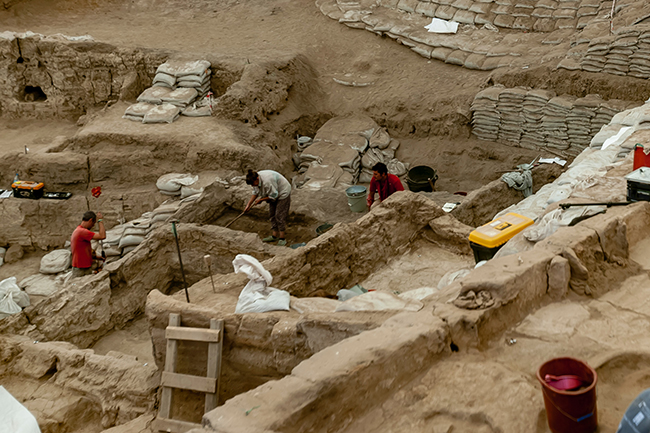
Students in this program engage in hands-on experiences through fieldwork, where they participate in excavations, surveys, and laboratory analysis. Fieldwork not only provides practical skills but also offers a firsthand understanding of the challenges and rewards of archaeological research. It often involves collaboration with experienced archaeologists and researchers, allowing students to build a network within the academic and professional archaeological community.
The coursework includes both foundational and specialized topics, enabling students to develop expertise in specific areas of interest. Some programs may offer concentrations such as classical archaeology, maritime archaeology, or bioarchaeology, allowing students to tailor their studies to match their career goals and interests. Additionally, students may have the opportunity to use cutting-edge technologies like Geographic Information Systems (GIS) and advanced laboratory equipment.
The program also emphasizes critical thinking and research skills, guiding students in designing and executing their research projects. This culminates in a master's thesis, where students contribute original research to the field. This thesis serves as a testament to their ability to conduct independent scholarly work and often becomes a valuable asset for those pursuing further academic studies or entering the workforce.
Graduates of an M.A. in Archaeology can pursue diverse career paths. Many find opportunities in academia as researchers, professors, or lecturers, while others work in cultural resource management, museums, or government agencies. Some may choose to specialize in public archaeology, focusing on education and outreach to make archaeological knowledge accessible to the general public.
The interdisciplinary nature of archaeology allows graduates to develop transferable skills in critical thinking, problem-solving, and effective communication, making them appealing candidates for a variety of professions. Additionally, the preservation and interpretation of cultural heritage have gained significance in today's global context, making archaeologists essential contributors to the understanding of human history and cultural diversity.
In conclusion, an M.A. in Archaeology provides a comprehensive and dynamic education, blending academic knowledge with practical experience. Graduates emerge with the skills and expertise needed to contribute meaningfully to the field of archaeology and related disciplines, whether in academic research, cultural resource management, or public engagement initiatives.

Course Scope
The field of archaeology offers a diverse and rewarding scope for individuals with a background in this discipline. Here are some key aspects of the course scope for archaeology:
Research and Academia:
- Many archaeologists choose to pursue a career in academia, conducting research and teaching at universities and research institutions. They contribute to expanding the knowledge of human history and culture, publish scholarly articles, and mentor the next generation of archaeologists.
Cultural Resource Management (CRM):
- Archaeologists play a crucial role in cultural resource management, working to preserve and manage archaeological sites in compliance with legal regulations. This may involve conducting surveys, excavations, and impact assessments for construction projects.
Museums and Heritage Institutions:
- Archaeologists are employed by museums and heritage organizations to curate and interpret collections of artifacts. They may also be involved in exhibition design, public outreach, and educational programs to make archaeological findings accessible to the public.
Government and Public Service:
- Government agencies often hire archaeologists to work on projects related to historic preservation, environmental impact assessments, and cultural heritage. Archaeologists may contribute to policy development and implementation, ensuring the protection of archaeological sites.
Archaeological Consulting:
- Private consulting firms offer opportunities for archaeologists to provide expertise on archaeological projects. This can include working on environmental impact assessments, archaeological surveys, and excavation projects for private companies or government agencies.
International Organizations and NGOs:
- Archaeologists may work with international organizations and non-governmental organizations (NGOs) on projects related to cultural heritage preservation, community development, and sustainable archaeology practices.
Forensic Archaeology:
- Forensic archaeologists use their skills to assist law enforcement agencies in crime scene investigations. They apply archaeological methods to locate, excavate, and analyze evidence in legal contexts.
Public Outreach and Education:
- Archaeologists often engage in public outreach and education, sharing their knowledge with schools, communities, and the broader public. This can involve organizing workshops, lectures, and educational programs to raise awareness about archaeology and cultural heritage.
Archaeological Tourism:
- With the growing interest in historical and cultural tourism, archaeologists may contribute to the development and management of archaeological sites for tourism purposes. This includes creating interpretive materials, guided tours, and ensuring sustainable tourism practices.
Archaeological Publishing and Media:
- Archaeologists may contribute to the dissemination of knowledge through publishing articles, books, and other media. Some individuals work as consultants for documentaries, films, or television programs that involve archaeological themes.
The scope for archaeologists is dynamic and continually evolving, reflecting the importance of preserving and understanding our shared human history. As awareness of cultural heritage and environmental conservation grows, the demand for archaeologists in various sectors is expected to remain strong.

Course Syllabus & Subjects
Introduction to Archaeology:
- An introductory course that provides an overview of the history, methods, and theories of archaeology. Students may learn about the development of archaeological thought and the significance of key archaeological discoveries.
Archaeological Methods and Techniques:
- This course covers the practical aspects of archaeological fieldwork, including survey methods, excavation techniques, recording and documentation, and the use of various tools and technologies.
Archaeological Theory:
- Students explore different theoretical approaches in archaeology, understanding how interpretations of the past are shaped by various perspectives. This course may cover topics such as processualism, post-processualism, and other contemporary archaeological theories.
Cultural Resource Management (CRM):
- A course that introduces students to the principles and practices of cultural resource management, including legal and ethical considerations. Topics may include site preservation, heritage laws, and the role of archaeologists in CRM projects.
Historical Archaeology:
- Focuses on the archaeology of historical periods, exploring how material culture can be used to understand societies and cultures from more recent times, often within the context of written history.
Bioarchaeology:
- This course examines the study of human remains in archaeological contexts. Topics may include skeletal analysis, paleopathology, and the interpretation of health, diet, and lifestyle in ancient populations.
Landscape Archaeology:
- Explores the ways in which archaeologists study and interpret the broader landscapes in which human activities have occurred. This may involve the use of geographic information systems (GIS) and remote sensing technologies.
Artifact Analysis:
- Students learn how to analyze and interpret artifacts, including ceramics, lithics, metals, and other materials. This course may cover techniques such as typology, seriation, and classification.
Archaeological Dating Methods:
- Covers various dating techniques used by archaeologists to determine the age of artifacts and archaeological sites. This includes methods such as radiocarbon dating, dendrochronology, and thermoluminescence.
Public Archaeology:
- Explores the role of archaeologists in engaging with the public, including education, outreach, and community involvement. Students may learn how to communicate archaeological findings to diverse audiences.
Ethics in Archaeology:
- Examines ethical considerations and challenges faced by archaeologists, including issues related to cultural sensitivity, repatriation, and the responsible conduct of research.
Questions about the MA - Archaeology?
Let our experts provide the answers – talk to us today!


Course Eligibility
Eligibility criteria for a Master's in Archaeology program can vary between universities, so it's essential to check the specific requirements of the institutions you are interested in. However, here is the basic overview:
Educational Background:
- A Bachelor's degree: Most programs require applicants to have completed a four-year undergraduate degree, preferably in a related field such as archaeology, anthropology, history, or a closely related discipline. Some programs may accept students with degrees in other fields, but they may require additional coursework to ensure a foundational understanding of archaeology.
Minimum GPA (Grade Point Average):
- Many universities set a minimum GPA requirement for admission. This GPA is often specified on a 4.0 scale. Commonly, a GPA of 3.0 or higher is considered competitive.
Letters of Recommendation:
- Applicants are typically required to submit letters of recommendation as part of their application. These letters should come from academic or professional references who can speak to the applicant's qualifications, work ethic, and potential for success in a graduate-level program.
Statement of Purpose:
- A statement of purpose or personal statement is typically required. This document allows applicants to explain their interest in archaeology, their academic, and research goals, and why they are interested in pursuing a Master's degree.
Resume or Curriculum Vitae (CV):
- A resume or CV outlining your educational background, relevant work experience, and any research or fieldwork experience in archaeology is typically required.
Standardized Test Scores:
- Some universities may require standardized test scores, such as the GRE (Graduate Record Examination). However, the importance of these scores can vary between institutions, and some programs may not require them.
Language Proficiency:
- If your primary language is not the language of instruction at the university, you may need to demonstrate proficiency in that language. This is often assessed through standardized language tests such as the TOEFL (Test of English as a Foreign Language) or IELTS (International English Language Testing System).

Course Level
Confused about the course content?
Get clarity from our experts – start the conversation!
Similar Courses
Recruiters
Top Recruiters:
Introduction to Archaeology:
- An introductory course that provides an overview of the history, methods, and theories of archaeology. Students may learn about the development of archaeological thought and the significance of key archaeological discoveries.
Archaeological Methods and Techniques:
- This course covers the practical aspects of archaeological fieldwork, including survey methods, excavation techniques, recording and documentation, and the use of various tools and technologies.
Archaeological Theory:
- Students explore different theoretical approaches in archaeology, understanding how interpretations of the past are shaped by various perspectives. This course may cover topics such as processualism, post-processualism, and other contemporary archaeological theories.
Cultural Resource Management (CRM):
- A course that introduces students to the principles and practices of cultural resource management, including legal and ethical considerations. Topics may include site preservation, heritage laws, and the role of archaeologists in CRM projects.
Historical Archaeology:
- Focuses on the archaeology of historical periods, exploring how material culture can be used to understand societies and cultures from more recent times, often within the context of written history.
Bioarchaeology:
- This course examines the study of human remains in archaeological contexts. Topics may include skeletal analysis, paleopathology, and the interpretation of health, diet, and lifestyle in ancient populations.
Landscape Archaeology:
- Explores the ways in which archaeologists study and interpret the broader landscapes in which human activities have occurred. This may involve the use of geographic information systems (GIS) and remote sensing technologies.
Artifact Analysis:
- Students learn how to analyze and interpret artifacts, including ceramics, lithics, metals, and other materials. This course may cover techniques such as typology, seriation, and classification.
Archaeological Dating Methods:
- Covers various dating techniques used by archaeologists to determine the age of artifacts and archaeological sites. This includes methods such as radiocarbon dating, dendrochronology, and thermoluminescence.
Public Archaeology:
- Explores the role of archaeologists in engaging with the public, including education, outreach, and community involvement. Students may learn how to communicate archaeological findings to diverse audiences.
Ethics in Archaeology:
- Examines ethical considerations and challenges faced by archaeologists, including issues related to cultural sensitivity, repatriation, and the responsible conduct of research.
Don't let doubts hold you back.
Connect with our experts to resolve any course questions!
Popular Courses

Btech Computer Science
Starting at -/₹144,555
Btech Civil Engineering
Starting at -/₹23,000
MBA Banking Management
Starting at -/₹NaN
MA History
Starting at -/₹140,000
BA Philosophy
Starting at -/₹10,000
BS Bio Engineering
Starting at -/₹54,000Popular Colleges
![Army College of Dental Sciences - [ACDS], Secunderabad](https://dekhocampus.s3.ap-south-1.amazonaws.com/college-banner/banner_39829-20231226T125957343Z-001992.jpg)
Army College of Dental Sciences - [ACDS], Secunderabad
Apply Now![Institute of Advanced Management Research - [IAMR], Ghaziabad](https://dekhocampus.s3.ap-south-1.amazonaws.com/college-banner/banner_41311-20231226T125957343Z-001992.jpg)
Institute of Advanced Management Research - [IAMR], Ghaziabad
Apply Now![International Institute of Fashion Design - [INIFD], Pune](https://devdc.s3.eu-north-1.amazonaws.com/1720002993279_image_2024-07-03_160629635.png)
International Institute of Fashion Design - [INIFD], Pune
Apply Now![Indian Institute of Forest Management - [IIFM], Bhopal](https://devdc.s3.eu-north-1.amazonaws.com/1720081628634_image_2024-07-04_135703241.png)
Indian Institute of Forest Management - [IIFM], Bhopal
Apply Now
Banarsidas Chandiwala Institute of Hotel Management & Catering Technology, New Delhi
Apply Now![ICFAI Business School - [IBS], Kolkata](https://dekhocampus.s3.ap-south-1.amazonaws.com/college-banner/banner_89539-20231226T125957343Z-001992.jpg)
ICFAI Business School - [IBS], Kolkata
Apply NowAddress
RZ 43 Sudan Garden, Najafgarh, New Delhi - 110043Opening Hours
Monday - Saturday: 9:00 AM - 07:00 PM
Sunday: 10:00 AM - 06:00 PM