ITI - Hand Compositor
Starting From
₹53,000 /- Per Year

About Course
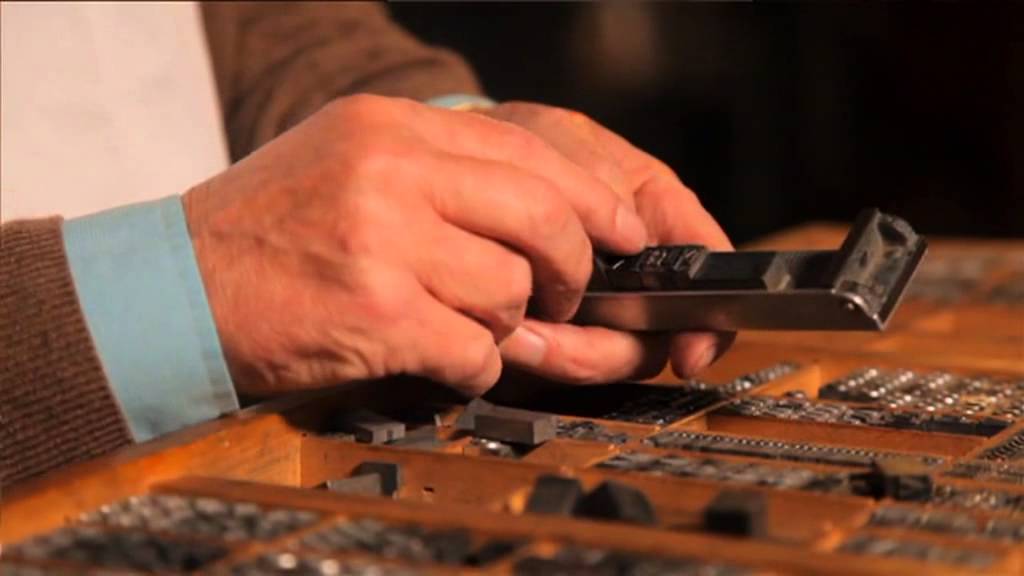
The ITI - Hand Compositor course is a specialized training program aimed at equipping students with the skills necessary for typesetting and creating printed content using traditional methods. This course focuses on teaching students the art and craft of manual typesetting, where they learn to arrange individual pieces of type (letters, numbers, and symbols) to create text for books, magazines, newspapers, and other printed materials. In an era dominated by digital typesetting, the ITI Hand Compositor course offers a unique blend of old-school craftsmanship and practical skills that have been used for centuries in the printing industry. The ITI Hand Compositor course typically spans 1-2 years and combines theoretical learning with practical training. During this course, students are trained in using composing sticks, type cases, font styles, and letterpress machines to create printed materials. They learn how to properly assemble type, set columns, and apply formatting, ensuring the final product is accurate and aesthetically pleasing. The curriculum also includes lessons on printing techniques, page layout design, and basic typography.
One of the key components of this course is understanding letterpress printing, a technique that dates back to the 15th century. Students are trained in the skills needed to prepare and operate traditional letterpress printing machines, ensuring high-quality, clear prints. Although digital technologies have largely replaced manual methods in modern printing, there remains a niche market for handset type and letterpress printing in art prints, stationery, and luxury publications. The scope of the ITI Hand Compositor course extends to a variety of career opportunities in the printing industry. Graduates can pursue roles in typesetting, layout design, printing press operation, and production management. They can work with traditional printing houses, publishing companies, advertising agencies, and artistic studios that require high-quality printed materials.
In addition to working in commercial printing, hand compositor professionals can find opportunities in specialized printing, including fine arts printing, invitation card printing, and limited edition publications. These areas require a deep understanding of craftsmanship and attention to detail, which is at the core of hand compositor training. Despite the rise of digital printing technology, there is a growing demand for skilled hand compositors in artisanal printing, where the uniqueness of handmade products is valued. Graduates can also use their skills to pursue a career as a freelance compositor or entrepreneur, offering bespoke printing services and catering to niche markets that require customized designs.
In conclusion, the ITI Hand Compositor course offers a detailed, hands-on education in the traditional art of typesetting and printing. It provides graduates with an excellent foundation for pursuing careers in the printing industry, while preserving a historical craft that continues to be valued in niche markets.

Course Scope
The course scope for ITI - Hand Compositor is diverse and offers a range of career opportunities, especially in industries related to printing, publishing, and graphic design. Graduates of this course can work in various sectors where the demand for manual typesetting and letterpress printing is still significant. The traditional skills learned during the course, such as letterpress techniques, font arrangement, and typesetting, provide a solid foundation for multiple career paths.
Printing Industry: Graduates can work as typesetters, layout artists, or production managers in commercial printing houses. They can handle tasks such as designing and arranging text for print media, including newspapers, magazines, and books. Even with the rise of digital printing, traditional letterpress printing is still in demand for specialty projects, giving graduates opportunities to work with vintage printing presses.
Publishing and Media: Graduates can pursue careers in the publishing industry, creating layouts for printed materials, handling book production, and setting up page designs for magazines, newspapers, and journals. They can also work as content arrangers or editors to ensure that the content is properly formatted for print.
Artisanal and Custom Printing: The scope extends to the niche market of artisanal printing and custom stationery. Many consumers value the craftsmanship of hand-set type for special projects such as invitations, greeting cards, and limited edition prints. Graduates can work in boutique printing studios or even start their own printing businesses, offering personalized and high-quality printed materials.
Advertising and Branding: Graduates can enter the world of advertising agencies or branding companies. They can work on creating printed advertisements, brochures, business cards, and other marketing materials that require a unique, handmade touch. This is particularly relevant for premium brands that prefer the classic feel of letterpress printing.
Freelancing and Entrepreneurship: With the skills acquired during the course, graduates can opt for freelancing or start their own ventures offering customized typesetting services. They can cater to individuals or businesses that seek distinctive printed products with a personal touch, such as luxury prints, personalized invitations, or fine arts prints.
Educational Institutions: Skilled hand compositors can also find opportunities in teaching and training at specialized institutions, passing on the traditional craft of typesetting and letterpress printing to the next generation of printing professionals.
Fine Arts and Design: Graduates can explore opportunities in graphic design and fine arts printing, where their knowledge of type and design principles will be essential in creating bespoke, high-quality printed art.
Overall, the course scope for ITI - Hand Compositor graduates is both wide and specialized, offering opportunities in traditional and niche printing sectors. The demand for skilled professionals in artistic printing, publishing, and custom design ensures a promising career for graduates who wish to preserve and advance this traditional craft.

Course Syllabus & Subjects
- Introduction to Printing Technology: An overview of the printing industry, its processes, and typesetting techniques.
- Hand Compositing: Detailed training in manual composition of text, arrangement of fonts, and layout techniques.
- Typesetting Tools and Equipment: Introduction to the tools used in manual typesetting, including typefaces, printers, and printing machines.
- Typography and Lettering: Understanding of fonts, letter designs, and how to use them effectively in print media.
- Digital Typesetting: Exposure to modern digital typesetting tools and techniques, often as a complement to traditional methods.
- Printing Press Operation: Basic knowledge of how a printing press operates and how to prepare documents for printing.
- Proofreading and Editing: Skills for reviewing text for errors, grammar, and consistency before printing.
- Paper and Ink Selection: Knowledge of different types of paper and ink used in the printing industry.
- Layout and Design Principles: Basic design principles and the art of visual communication for printed materials.
- Workplace Safety: Safety protocols and guidelines for working with printing machinery and tools.
Questions about the ITI - Hand Compositor?
Let our experts provide the answers – talk to us today!


Course Eligibility
Educational Qualification: Candidates must have completed their 10th grade (SSC) or equivalent from a recognized board, with a minimum percentage requirement (usually around 50%).
Age Limit: The minimum age requirement is generally 14 years, with the maximum age varying by institution, but it is often capped around 25 years at the time of admission.
Medical Fitness: Candidates should be medically fit and capable of performing tasks associated with the course.
Entrance Exam: Some institutes may conduct an entrance exam or a skill assessment, though it’s not mandatory in all cases.
Duration: The course is typically a 1-2 year program, depending on the institution.

Course Level
The ITI - Hand Compositor course is classified as a Certificate Level course, typically offered at the technical training institutes or industrial training institutes (ITIs) in India. This course is designed to provide foundational skills in traditional typesetting and printing techniques, preparing students for careers in the printing and publishing industry.
The course typically spans 1 to 2 years, depending on the institution, and combines theoretical learning with practical hands-on experience. It is suitable for students who have completed their 10th grade or secondary education (Class 10) and wish to pursue a career in the printing industry or artisanal printing fields. The course level ensures that students gain a comprehensive understanding of manual typesetting, font styles, layout designs, and letterpress printing, making them well-prepared to enter the workforce or pursue further specialization in the field.
Confused about the course content?
Get clarity from our experts – start the conversation!
Similar Courses
Recruiters
Top Recrutiers:
- RR Donnelley - A global printing and publishing company known for printing services.
- Quad/Graphics - A leading provider of printing and related services to large organizations.
- Bhaskar Printing Press - A prominent printing press in India.
- Tata Press - A well-established name in the printing and publishing industry in India.
- Jagran Prakashan Ltd. - Known for its newspaper publications and printing services.
- Delhi Printing Press - One of the leading printing press companies in India.
- The Times of India - A major media and publishing company with large-scale printing operations.
- Printo - A print and design service provider offering digital and offset printing solutions.
- Rediffusion - A creative services company involved in advertising, printing, and design.
- Oxford University Press - A leading publisher with a focus on educational materials and books.
Don't let doubts hold you back.
Connect with our experts to resolve any course questions!
Popular Courses

Btech Computer Science
Starting at -/₹144,555
Btech Civil Engineering
Starting at -/₹23,000
MBA Banking Management
Starting at -/₹NaN
MA History
Starting at -/₹140,000
BA Philosophy
Starting at -/₹10,000
BS Bio Engineering
Starting at -/₹54,000Popular Colleges
![Army College of Dental Sciences - [ACDS], Secunderabad](https://dekhocampus.s3.ap-south-1.amazonaws.com/college-banner/banner_39829-20231226T125957343Z-001992.jpg)
Army College of Dental Sciences - [ACDS], Secunderabad
Apply Now![Institute of Advanced Management Research - [IAMR], Ghaziabad](https://dekhocampus.s3.ap-south-1.amazonaws.com/college-banner/banner_41311-20231226T125957343Z-001992.jpg)
Institute of Advanced Management Research - [IAMR], Ghaziabad
Apply Now![International Institute of Fashion Design - [INIFD], Pune](https://devdc.s3.eu-north-1.amazonaws.com/1720002993279_image_2024-07-03_160629635.png)
International Institute of Fashion Design - [INIFD], Pune
Apply Now![Indian Institute of Forest Management - [IIFM], Bhopal](https://devdc.s3.eu-north-1.amazonaws.com/1720081628634_image_2024-07-04_135703241.png)
Indian Institute of Forest Management - [IIFM], Bhopal
Apply Now
Banarsidas Chandiwala Institute of Hotel Management & Catering Technology, New Delhi
Apply Now![ICFAI Business School - [IBS], Kolkata](https://dekhocampus.s3.ap-south-1.amazonaws.com/college-banner/banner_89539-20231226T125957343Z-001992.jpg)
ICFAI Business School - [IBS], Kolkata
Apply NowAddress
RZ 43 Sudan Garden, Najafgarh, New Delhi - 110043Opening Hours
Monday - Saturday: 9:00 AM - 07:00 PM
Sunday: 10:00 AM - 06:00 PM