Exhibition Design
Starting From
₹20,000 /- Per Year

About Course
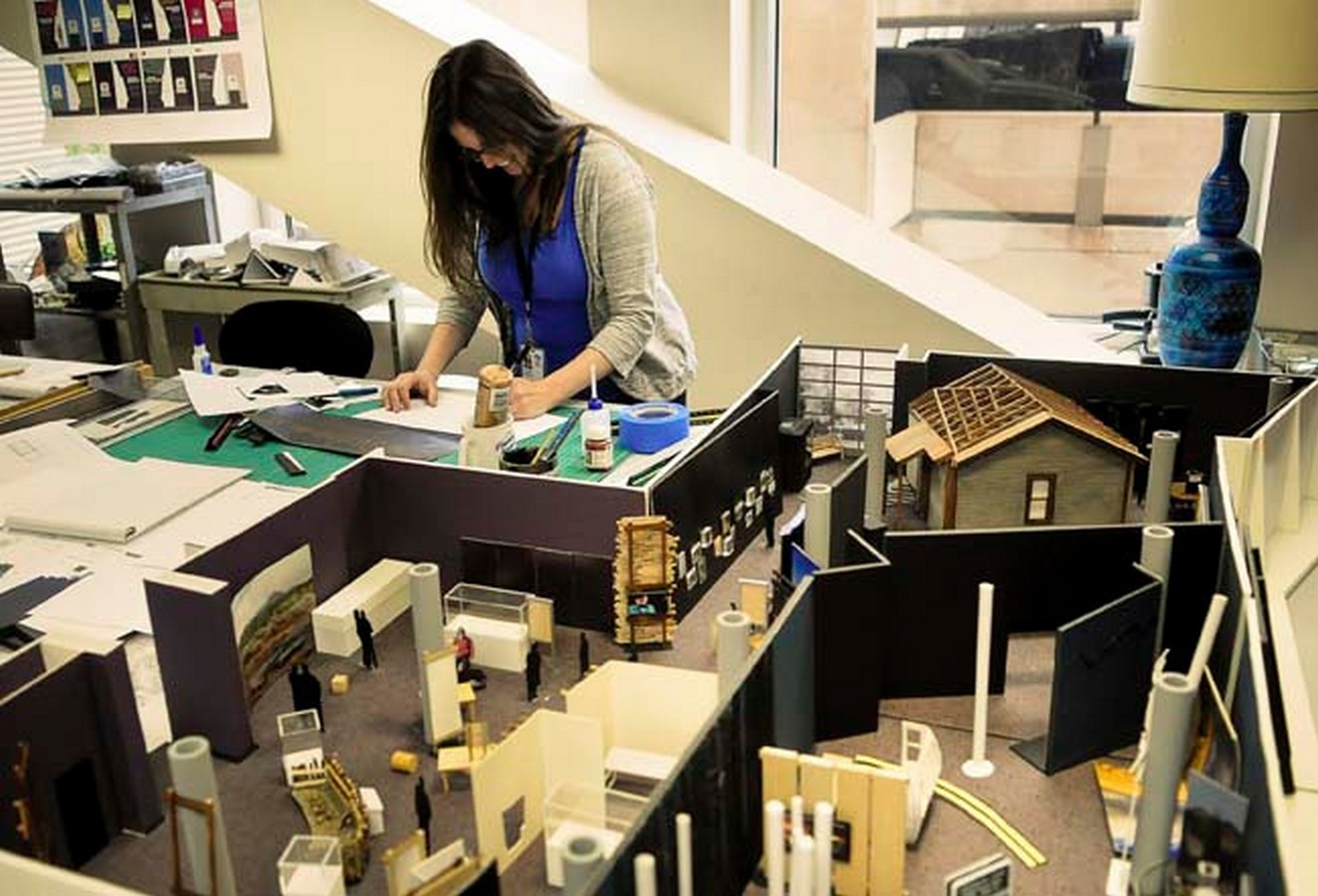
Exhibition Design is the art and science of creating engaging, visually appealing, and functional exhibits for events, trade shows, museums, and galleries. This field combines creativity with technical expertise to design spaces that enhance the visitor experience. The curriculum covers topics such as design principles, 3D visualization, space planning, lighting design, graphic design, interactive displays, and material selection. Students also learn about event management, sustainability in design, and project coordination.
Graduates of Exhibition Design can pursue careers as exhibition designers, set designers, event planners, or visual merchandisers. They find opportunities in museums, art galleries, corporate events, trade shows, and advertising agencies. Top recruiters include Event Management Companies, Exhibition Design Firms, Museums, Art Galleries, and Corporate Event Organizers. This field is ideal for those passionate about creative design and the impact of visual storytelling.

Course Scope
Course Scope for Exhibition Design
The scope of Exhibition Design is diverse, offering numerous career opportunities in sectors related to art, culture, business, marketing, and branding. Here's a look at the potential career paths and industries:
Exhibition Designer:
Graduates can work as Exhibition Designers, creating interactive, engaging, and visually appealing exhibitions for museums, galleries, and trade shows. This role requires an understanding of spatial design, lighting, and the use of materials to enhance the visitor experience.
Museum Curator/Designer:
With a focus on museum exhibits, designers can work as curators or exhibit planners, designing art, history, or science exhibitions that are both informative and visually stimulating.
Event Design and Management:
Exhibition designers can work in the event management industry, designing booths for corporate events, trade shows, and exhibitions, creating spaces that highlight products, services, and brands.
Brand Activations and Retail Design:
Professionals can specialize in brand activation, where they design engaging spaces for brand promotions, product launches, or retail setups.
Interior Design and Spatial Planning:
The skills acquired during the program can lead to careers in interior design, focusing on spatial arrangements and designing functional and aesthetically appealing spaces for clients.
Graphic and Visual Design:
Some exhibition designers focus on the graphic design aspect, working with visuals, signage, and other graphical elements for exhibitions or displays.
3D Visualization and Model Making:
Graduates can also pursue careers in 3D modeling, creating digital or physical models of exhibition layouts or designs for clients before construction.
Freelance Opportunities:
Many exhibition designers work as freelancers, providing design services to a range of industries, from art galleries to corporate brands.
Academic and Research Roles:
With further education, one can also pursue a career in academia or research, contributing to the development of new trends, techniques, and technologies in exhibition design.
International Opportunities:
Since exhibitions are a global industry, there are opportunities to work with international brands, museums, and galleries, providing scope for travel and exposure to global design practices.
Overall, a career in exhibition design is highly versatile, with applications across various sectors, offering creative roles that blend artistic skill with strategic thinking, planning, and execution.

Course Syllabus & Subjects
Course Subjects for Exhibition Design:
- Introduction to Exhibition Design
- Design Principles and Concepts
- 3D Visualization and Modelling
- Space Planning and Layout
- Lighting Design for Exhibitions
- Graphic Design and Branding
- Materials and Construction Techniques
- Interactive and Digital Displays
- Sustainability in Design
- Event Management and Logistics
- Visual Merchandising
- Cultural and Historical Aspects of Design
- Design for Museums and Art Galleries
- Client Coordination and Project Management
- Marketing and Promotion of Exhibitions
Questions about the Exhibition Design?
Let our experts provide the answers – talk to us today!


Course Eligibility
Course Eligibility for Exhibition Design
The eligibility criteria for Exhibition Design typically depend on the level of study, such as undergraduate, postgraduate, or diploma programs. Here's a breakdown:
Undergraduate Level (B.Des/B.A. in Exhibition Design):
- Educational Qualification:
Candidates should have completed their 12th grade (Higher Secondary) from a recognized board in any stream (Science, Commerce, or Arts). However, a background in Arts is often preferred. - Entrance Exams:
Some institutions may require candidates to clear entrance exams or aptitude tests that assess creative thinking, design skills, and problem-solving abilities. - Age Limit:
Age limits may vary by institution, but candidates generally should be between 17-25 years.
Postgraduate Level (M.Des or M.A. in Exhibition Design):
- Educational Qualification:
Candidates must have a Bachelor’s degree in Design, Fine Arts, Architecture, or a related field from a recognized university. - Entrance Exams/Interviews:
Many institutes conduct entrance exams or interviews to assess the candidate's creativity, design knowledge, and professional readiness for advanced studies.
Diploma in Exhibition Design:
- Educational Qualification:
Completion of 12th grade from any recognized board. Some diploma programs might also accept candidates who have completed a Bachelor’s degree in any field, with an interest in design. - Duration:
Typically, 6 months to 1 year.
Skills and Aptitudes:
- Candidates should have a strong interest in art and design, creativity, attention to detail, and a good understanding of spatial arrangements and visual communication.
Additional Requirements:
- Some programs may require a portfolio or design project to showcase the applicant’s skills and creativity.
Exhibition Design courses prepare students to work in creating visual displays, museum exhibits, trade shows, and brand activations, focusing on aesthetic presentation, technical aspects, and interactive experiences.

Course Level
Course Level for Exhibition Design
The Exhibition Design course is offered at different levels to cater to various stages of academic and professional development. Here's a breakdown of the typical course levels:
Undergraduate Level (B.Des or B.A. in Exhibition Design):
- Eligibility: Completion of 12th grade (from any stream, though a background in Arts is preferred).
- Duration: Typically 3-4 years.
- Focus: The course provides foundational knowledge in design principles, spatial arrangements, visual communication, and creative problem-solving. Students also develop technical skills for creating effective exhibitions and displays.
- Skills Developed: Students acquire knowledge of design software, 3D modeling, space planning, and materials selection. The curriculum also emphasizes artistic creativity, project management, and understanding audience engagement.
Postgraduate Level (M.Des or M.A. in Exhibition Design):
- Eligibility: A Bachelor's degree in Design, Fine Arts, Architecture, or a related field.
- Duration: Typically 2 years.
- Focus: This level dives deeper into advanced design concepts, research methodologies, and the integration of technology into exhibition design. Students learn to create large-scale projects, work with diverse materials, and explore innovative exhibition techniques.
- Skills Developed: Advanced knowledge in spatial design, lighting, graphic design, and interactive installations. The course also involves collaboration with clients and other stakeholders for designing complex exhibition spaces.
Diploma/Certificate Level (Diploma in Exhibition Design):
- Eligibility: Completion of 12th grade or a Bachelor’s degree (varies by institution).
- Duration: Typically 6 months to 1 year.
- Focus: This is a specialized, short-term course focused on developing specific skills needed for exhibition design. Students learn about space management, basic design principles, and exhibition technologies.
- Skills Developed: Hands-on skills in creating exhibitions, understanding layout, visual communication, and material handling.
Short-Term Workshops/Online Courses:
- Eligibility: Open to everyone, including professionals, designers, or enthusiasts.
- Duration: Typically a few weeks to 3 months.
- Focus: Provides basic exposure to exhibition design principles and skills, offering practical knowledge and project-based experience.
At each level, the focus expands from foundational knowledge in undergraduate studies to more specialized and advanced design techniques at the postgraduate level. The diploma and short-term courses are ideal for individuals seeking to enhance their skills or explore the field of exhibition design in a shorter timeframe.
Confused about the course content?
Get clarity from our experts – start the conversation!
Similar Courses
Recruiters
Top Recruiters for Exhibition Design Graduates:
- Event Management Companies
- Exhibition Design Studios
- Museums and Art Galleries
- Corporate Event Organizers
- Trade Show Organizers
- Advertising and Branding Agencies
- Visual Merchandising Firms
- Public Relations and Marketing Companies
- Creative Design Agencies
- Retail Companies and Shopping Malls
- Government Cultural Organizations
- International Exhibition Firms
- Freelance Design Opportunities
- Fashion and Product Brands
- Consultancies in Event and Exhibition Planning
Graduates can explore diverse roles in the design, management, and execution of exhibitions, events, and interactive displays.
Don't let doubts hold you back.
Connect with our experts to resolve any course questions!
Popular Courses

Btech Computer Science
Starting at -/₹144,555
Btech Civil Engineering
Starting at -/₹23,000
MBA Banking Management
Starting at -/₹NaN
MA History
Starting at -/₹140,000
BA Philosophy
Starting at -/₹10,000
BS Bio Engineering
Starting at -/₹54,000Popular Colleges
![Army College of Dental Sciences - [ACDS], Secunderabad](https://dekhocampus.s3.ap-south-1.amazonaws.com/college-banner/banner_39829-20231226T125957343Z-001992.jpg)
Army College of Dental Sciences - [ACDS], Secunderabad
Apply Now![Institute of Advanced Management Research - [IAMR], Ghaziabad](https://dekhocampus.s3.ap-south-1.amazonaws.com/college-banner/banner_41311-20231226T125957343Z-001992.jpg)
Institute of Advanced Management Research - [IAMR], Ghaziabad
Apply Now![International Institute of Fashion Design - [INIFD], Pune](https://devdc.s3.eu-north-1.amazonaws.com/1720002993279_image_2024-07-03_160629635.png)
International Institute of Fashion Design - [INIFD], Pune
Apply Now![Indian Institute of Forest Management - [IIFM], Bhopal](https://devdc.s3.eu-north-1.amazonaws.com/1720081628634_image_2024-07-04_135703241.png)
Indian Institute of Forest Management - [IIFM], Bhopal
Apply Now
Banarsidas Chandiwala Institute of Hotel Management & Catering Technology, New Delhi
Apply Now![ICFAI Business School - [IBS], Kolkata](https://dekhocampus.s3.ap-south-1.amazonaws.com/college-banner/banner_89539-20231226T125957343Z-001992.jpg)
ICFAI Business School - [IBS], Kolkata
Apply NowAddress
RZ 43 Sudan Garden, Najafgarh, New Delhi - 110043Opening Hours
Monday - Saturday: 9:00 AM - 07:00 PM
Sunday: 10:00 AM - 06:00 PM