B.Sc - Hydrology
Starting From
₹NaN /- Per Year

About Course
A Bachelor of Science (B.Sc.) in Hydrology is an undergraduate degree program that focuses on the study of water distribution, movement, and management within natural systems. This interdisciplinary field combines principles from hydrological science, environmental science, geology, and engineering to address the challenges associated with water resources, including availability, quality, and sustainable utilization. A B.Sc. in Hydrology equips students with the knowledge and skills needed to understand the complexities of water systems and contribute to sustainable water management practices.
Curriculum: The curriculum of a B.Sc. in Hydrology typically covers a range of subjects to provide students with a comprehensive understanding of hydrological processes and related disciplines. Common subjects include:
Hydrological Science:
- Introduction to the fundamental principles of hydrology, including the hydrological cycle, precipitation, evaporation, runoff, and groundwater flow.
Environmental Science:
- Study of environmental processes and systems, including ecosystems, natural resources, pollution, and environmental conservation.
Geology and Geomorphology:
- Exploration of geological processes and landforms that influence water distribution and movement, such as watersheds, aquifers, and river systems.
Hydraulic Engineering:
- Introduction to hydraulic engineering principles, including the design and analysis of hydraulic structures such as dams, channels, and pipelines.
Water Quality and Pollution Control:
- Study of water quality parameters, sources of pollution, and strategies for water pollution prevention and control.
Surface Water Hydrology:
- Analysis of surface water systems, including rivers, lakes, and reservoirs, focusing on water flow, streamflow measurement, and flood forecasting.
Groundwater Hydrology:
- Exploration of groundwater flow, aquifer characteristics, and groundwater-surface water interactions.
Climate Change and Hydrology:
- Examination of the impact of climate change on hydrological cycles, including changes in precipitation patterns, temperature, and extreme weather events.
Water Resource Management:
- Introduction to strategies for sustainable and efficient management of water resources, considering the needs of agriculture, industry, urban areas, and ecosystems.
Research Methods in Hydrology:
- Development of research skills and techniques for collecting, analyzing, and interpreting hydrological data.
GIS and Remote Sensing in Hydrology:
- Introduction to Geographic Information Systems (GIS) and remote sensing technologies for collecting and analyzing spatial data related to hydrology.
Fieldwork and Laboratory Techniques:
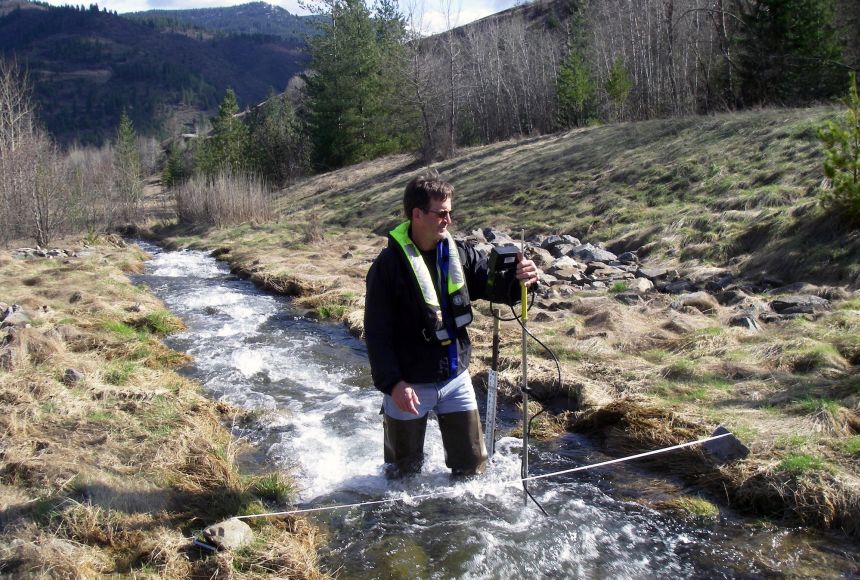
- Hands-on experience in field measurements and laboratory analyses related to hydrology, including water sampling, flow measurement, and water quality analysis.
Career Opportunities: Graduates with a B.Sc. in Hydrology have diverse career opportunities in various sectors related to water resource management, environmental conservation, engineering, research, and consulting. Potential career paths include:
Hydrological Technician:
- Assisting hydrologists in collecting and analyzing hydrological data, conducting field surveys, and maintaining monitoring equipment.
Environmental Technician:
- Supporting environmental scientists and engineers in conducting environmental assessments, monitoring water quality, and implementing pollution control measures.
Water Resource Specialist:
- Working for government agencies, NGOs, or consulting firms to assess water resources, develop management plans, and implement conservation strategies.
Hydraulic Engineering Technician:
- Assisting hydraulic engineers in designing and maintaining hydraulic structures, conducting hydraulic modeling, and analyzing water flow.
Research Assistant:
- Assisting researchers in conducting hydrological studies, collecting data, and analyzing research findings in academic or research institutions.
Environmental Educator:
- Educating communities and stakeholders about water conservation, environmental protection, and sustainable water management practices.
GIS Technician:
- Using GIS and remote sensing technologies to collect, analyze, and visualize spatial data related to hydrology and environmental science.
Water Quality Technician:
- Assisting water quality specialists in monitoring water quality parameters, conducting water sampling, and analyzing water samples in laboratories.
Environmental Compliance Officer:
- Ensuring compliance with environmental regulations and standards related to water quality, pollution control, and environmental impact assessments.
Field Research Technician:
- Conducting field surveys, collecting hydrological data, and assisting researchers in various hydrological studies and projects.
Water Conservation Officer:
- Working with communities, organizations, and government agencies to promote water conservation practices and implement water-saving initiatives.
Environmental Consultant:
- Working for consulting firms to provide expertise in hydrology, environmental science, and engineering for projects related to water resource management, environmental impact assessments, and infrastructure development.
Overall, a B.Sc. in Hydrology provides students with a strong foundation in hydrological science and related disciplines, preparing them for rewarding careers in various sectors related to water resources and environmental conservation.

Course Scope
The scope for individuals with a B.Sc. in Hydrology is diverse and spans various sectors due to the growing importance of water resource management, environmental conservation, and sustainable development. Here are several areas where individuals with a background in hydrology can find career opportunities:
Water Resource Management:
- Graduates can work in government agencies, water utilities, and consulting firms to assess, manage, and plan sustainable water resources, ensuring a reliable supply for agriculture, industry, and urban areas.
Environmental Monitoring and Conservation:
- Opportunities exist in environmental agencies, NGOs, and research institutions to monitor water quality, assess environmental impacts, and contribute to conservation efforts, including the protection of aquatic ecosystems.
Hydraulic Engineering:
- Graduates can pursue careers in hydraulic engineering, focusing on the design, construction, and maintenance of hydraulic structures such as dams, channels, and pipelines to control water flow.
Agricultural Water Management:
- Individuals can contribute to optimizing irrigation practices, improving water use efficiency in agriculture, and addressing water-related challenges in the context of food production.
Urban Planning and Development:
- Municipalities and urban planning departments may seek hydrology professionals to contribute to projects related to stormwater management, floodplain mapping, and sustainable urban development.
Climate Change Adaptation:
- As climate change impacts hydrological cycles, there is a need for professionals to work on adapting water management strategies, assessing risks, and developing resilience plans.
Consulting Firms:
- Hydrologists can work for consulting firms, offering specialized services in environmental impact assessments, water resource planning, and infrastructure projects.
Research and Development:
- Opportunities exist in research institutions and laboratories, contributing to advancements in hydrological science, developing new technologies, and addressing emerging challenges.
Water Quality Assessment:
- Careers in water quality assessment involve monitoring and analyzing water quality parameters, implementing pollution control measures, and ensuring compliance with environmental regulations.
Environmental Education and Outreach:
- Graduates can engage in educating communities about water conservation practices, environmental protection, and sustainable water management.
Natural Resource Management:
- Working in natural resource management involves understanding the broader ecological context and contributing to the sustainable use of water resources alongside other natural resources.
International Development:
- Opportunities exist to work on international projects related to water management, collaborating with organizations focused on improving water access, sanitation, and conservation globally.
Private Sector Opportunities:
- The private sector, including industries such as mining, energy, and manufacturing, may require hydrology professionals to address water-related challenges and comply with environmental regulations.
Disaster Management:
- Hydrologists can contribute to disaster management by providing expertise in flood risk assessment, early warning systems, and post-disaster recovery efforts.
Government Regulatory Positions:
- Graduates may find roles in government regulatory bodies overseeing water quality standards, environmental regulations, and compliance.
GIS and Remote Sensing Applications:
- Proficiency in GIS and remote sensing technologies opens up opportunities in mapping, spatial analysis, and monitoring applications related to hydrology and environmental science.
The dynamic nature of hydrology and the increasing awareness of water-related challenges contribute to a broad and evolving scope for individuals with a B.Sc. in Hydrology. Career paths can vary based on individual interests, specializations, and the specific needs of industries and communities. Additionally, as environmental sustainability becomes a global priority, the demand for hydrology professionals is expected to grow, offering diverse and meaningful career opportunities.

Course Syllabus & Subjects
Hydrological Science: Introduction to the fundamental principles of hydrology, covering topics such as the hydrological cycle, precipitation, evaporation, runoff, and groundwater flow.
Environmental Science: Study of environmental processes and systems, including ecosystems, natural resources, pollution, and environmental conservation.
Geology and Geomorphology: Exploration of geological processes and landforms that influence water distribution and movement, such as watersheds, aquifers, and river systems.
Hydraulic Engineering: Introduction to hydraulic engineering principles, including the design and analysis of hydraulic structures such as dams, channels, and pipelines.
Water Quality and Pollution Control: Study of water quality parameters, sources of pollution, and strategies for water pollution prevention and control.
Surface Water Hydrology: Analysis of surface water systems, including rivers, lakes, and reservoirs, focusing on water flow, streamflow measurement, and flood forecasting.
Groundwater Hydrology: Exploration of groundwater flow, aquifer characteristics, and groundwater-surface water interactions.
Climate Change and Hydrology: Examination of the impact of climate change on hydrological cycles, including changes in precipitation patterns, temperature, and extreme weather events.
Water Resource Management: Introduction to strategies for sustainable and efficient management of water resources, considering the needs of agriculture, industry, urban areas, and ecosystems.
Research Methods in Hydrology: Development of research skills and techniques for collecting, analyzing, and interpreting hydrological data.
GIS and Remote Sensing in Hydrology: Introduction to Geographic Information Systems (GIS) and remote sensing technologies for collecting and analyzing spatial data related to hydrology.
Fieldwork and Laboratory Techniques: Hands-on experience in field measurements and laboratory analyses related to hydrology, including water sampling, flow measurement, and water quality analysis.
Mathematics and Statistics for Hydrology: Application of mathematical and statistical techniques to analyze hydrological data, assess variability, and make predictions.
Environmental Impact Assessment: Evaluation of the potential environmental impact of various projects on water resources, ecosystems, and communities. This involves assessing the effects of human activities on the environment.
Environmental Law and Policy: Exploration of legal and policy frameworks related to water resource management and environmental protection. This subject may cover regulations, international agreements, and compliance.
Hydroinformatics: Integration of information technology and hydrology, focusing on the use of computer-based tools for data management, modeling, and decision support in hydrological applications.
Questions about the B.Sc - Hydrology?
Let our experts provide the answers – talk to us today!


Course Eligibility
The specific eligibility criteria for a Master of Science (M.Sc.) in Hydrology can vary among universities and educational institutions. However, there are common general requirements that candidates typically need to meet. Here is a general overview of the eligibility criteria for pursuing an M.Sc. in Hydrology:
Educational Qualifications:
- Candidates are generally required to have completed their undergraduate education with a relevant bachelor's degree. This typically involves having a bachelor's degree in fields such as Environmental Science, Earth Science, Geography, Geology, Civil Engineering, Water Resources Engineering, or a related discipline.
Minimum Marks:
- Many institutions specify a minimum percentage or grade requirement for admission. The exact percentage required can vary, but candidates are usually expected to have a satisfactory academic record, often with a minimum percentage in the range of 50% to 60%.
Relevant Background:
- A background in science, engineering, or a related field is often preferred. Some programs may have specific prerequisite courses or expect candidates to have completed coursework related to hydrology, geology, fluid mechanics, or environmental science during their undergraduate studies.
Entrance Exams:
- Some institutions may conduct entrance exams as part of the admission process. These exams may assess the candidate's knowledge in subjects related to hydrology, general science, mathematics, or engineering.
Letters of Recommendation:
- Many programs require letters of recommendation from academic or professional references. These letters help assess the candidate's suitability for the program based on their academic achievements and potential for success in graduate studies.
Statement of Purpose (SOP):
- Candidates may be required to submit a statement of purpose outlining their motivation for pursuing an M.Sc. in Hydrology, career goals, and how the program aligns with their academic and professional aspirations.
Interviews (Occasionally):
- Some institutions may conduct interviews as part of the selection process to assess the candidate's motivation, academic background, and understanding of hydrological concepts.
English Language Proficiency:
- For international students, proof of English language proficiency through standardized tests like TOEFL or IELTS may be required.
It's crucial for prospective students to carefully review the specific admission requirements of the institutions they are interested in applying to, as these can vary. Admission processes and criteria may change over time, so it's advisable to check with the respective educational institutions or their official websites for the most up-to-date information on eligibility and admission procedures. Meeting or exceeding the minimum eligibility criteria is the first step in securing admission to an M.Sc. program in Hydrology.

Course Level
Confused about the course content?
Get clarity from our experts – start the conversation!
Similar Courses
Recruiters
Top Recrutiers:
Government Agencies:
- National, state, and local government agencies responsible for water resource management, environmental protection, and disaster response often hire hydrologists. Examples include the Environmental Protection Agency (EPA), U.S. Geological Survey (USGS), and water resources departments.
Water Utilities:
- Public and private water utilities hire hydrologists to manage and ensure the quality of water supply systems. This includes organizations responsible for drinking water treatment and distribution.
Environmental Consulting Firms:
- Consulting firms specializing in environmental services, water resource management, and hydrological assessments frequently recruit hydrologists for projects related to infrastructure development, environmental impact assessments, and pollution control.
Engineering Consultancies:
- Engineering firms involved in water resources, civil engineering, and infrastructure development may hire hydrologists for their expertise in designing water-related structures and managing water systems.
Research Institutions and Universities:
- Academic and research institutions hire hydrologists to conduct research, teach, and contribute to collaborative projects. Universities and research organizations play a crucial role in advancing hydrological science.
Nonprofit Organizations:
- Non-governmental organizations (NGOs) focused on environmental conservation, water access, and sustainable development often recruit hydrologists for projects aimed at improving water resources in communities worldwide.
International Organizations:
- Global organizations such as the United Nations (UN) and the World Bank may hire hydrologists for international projects related to water management, climate change adaptation, and sustainable development.
Mining and Energy Companies:
- Industries involved in mining and energy may hire hydrologists to address water-related challenges associated with their operations, including water use, pollution prevention, and environmental compliance.
Meteorological Agencies:
- Meteorological organizations hire hydrologists to contribute to weather-related studies, climate modeling, and the impact of climate change on hydrological cycles.
Urban Planning and Development Authorities:
- Municipalities and urban planning departments may recruit hydrologists to contribute to projects related to stormwater management, floodplain mapping, and sustainable urban development.
Agricultural Research Institutions:
- Organizations focused on agricultural research and extension services may hire hydrologists to optimize irrigation practices, improve water use efficiency, and address water-related challenges in agriculture.
Infrastructure Development Projects:
- Large infrastructure projects, such as the construction of dams, reservoirs, and transportation systems, often involve the expertise of hydrologists to assess and manage water-related aspects.
Insurance Companies:
- Insurance firms may hire hydrologists to assess and manage risks related to water-related events, including floods and other natural disasters.
Hydraulic Engineering Companies:
- Companies specializing in hydraulic engineering, including the design and maintenance of hydraulic structures, may recruit hydrologists for their expertise in water flow and management.
Environmental Compliance Agencies:
- Organizations responsible for ensuring environmental compliance and adherence to regulations may hire hydrologists to assess and monitor water quality standards.
Don't let doubts hold you back.
Connect with our experts to resolve any course questions!
Popular Courses

Btech Computer Science
Starting at -/₹144,555
Btech Civil Engineering
Starting at -/₹23,000
MBA Banking Management
Starting at -/₹NaN
MA History
Starting at -/₹140,000
BA Philosophy
Starting at -/₹10,000
BS Bio Engineering
Starting at -/₹54,000Popular Colleges
![Army College of Dental Sciences - [ACDS], Secunderabad](https://dekhocampus.s3.ap-south-1.amazonaws.com/college-banner/banner_39829-20231226T125957343Z-001992.jpg)
Army College of Dental Sciences - [ACDS], Secunderabad
Apply Now![Institute of Advanced Management Research - [IAMR], Ghaziabad](https://dekhocampus.s3.ap-south-1.amazonaws.com/college-banner/banner_41311-20231226T125957343Z-001992.jpg)
Institute of Advanced Management Research - [IAMR], Ghaziabad
Apply Now![International Institute of Fashion Design - [INIFD], Pune](https://devdc.s3.eu-north-1.amazonaws.com/1720002993279_image_2024-07-03_160629635.png)
International Institute of Fashion Design - [INIFD], Pune
Apply Now![Indian Institute of Forest Management - [IIFM], Bhopal](https://devdc.s3.eu-north-1.amazonaws.com/1720081628634_image_2024-07-04_135703241.png)
Indian Institute of Forest Management - [IIFM], Bhopal
Apply Now
Banarsidas Chandiwala Institute of Hotel Management & Catering Technology, New Delhi
Apply Now![ICFAI Business School - [IBS], Kolkata](https://dekhocampus.s3.ap-south-1.amazonaws.com/college-banner/banner_89539-20231226T125957343Z-001992.jpg)
ICFAI Business School - [IBS], Kolkata
Apply NowAddress
RZ 43 Sudan Garden, Najafgarh, New Delhi - 110043Opening Hours
Monday - Saturday: 9:00 AM - 07:00 PM
Sunday: 10:00 AM - 06:00 PM