B.Tech - Mechatronics Engineering
Starting From
₹NaN /- Per Year

About Course
Mechatronics engineering is an interdisciplinary field that integrates mechanical engineering, electronics, computer science, and control engineering to design and create intelligent systems and products. The term "mechatronics" is derived from a combination of "mechanics" and "electronics," reflecting the collaborative nature of this field. Mechatronics engineers work on the development of smart and automated systems that blend mechanical components with electronic control and computing elements.
Key Components of Mechatronics Engineering:
Mechanical Systems:
- Mechatronics engineers design and analyze mechanical components and systems. This includes machinery, robotics, sensors, actuators, and other physical components.
Electronics:
- Understanding electronics is fundamental to mechatronics. Engineers work with electronic components, circuits, sensors, and microcontrollers to enable communication and control within mechatronic systems.
Computer Science:
- Mechatronics involves programming and software development for control systems. Engineers use computer science principles to design software that governs the behavior of mechanical and electronic components.
Control Systems:
- Mechatronics engineers design and implement control systems to regulate the behavior of dynamic systems. This involves feedback loops and the use of sensors and actuators to maintain desired performance.
Robotics:
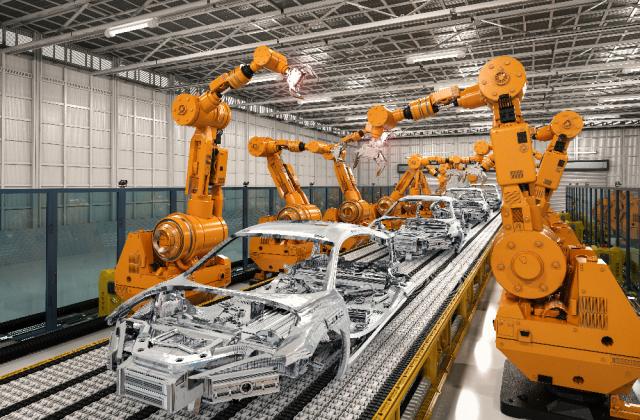
- Robotics is a significant aspect of mechatronics. Engineers work on the design, development, and programming of robotic systems for various applications, including manufacturing, healthcare, and exploration.
Automation:
- Mechatronic systems often involve automation, where machines or processes operate with minimal human intervention. Automation improves efficiency and consistency in industrial processes.
Sensors and Actuators:
- Mechatronics engineers utilize sensors to gather information about the environment and actuators to control and manipulate physical objects. These components play a crucial role in feedback control systems.
Instrumentation:
- Engineers work on designing and integrating instrumentation systems for measuring and monitoring physical quantities. This includes sensors for temperature, pressure, velocity, and more.
Embedded Systems:
- Mechatronic systems often involve embedded systems – specialized computing systems embedded within larger devices. Engineers design and program these systems for specific tasks.
Educational Path and Skill Set:
Educational Requirements:
- Mechatronics engineers typically have a bachelor's degree in mechatronics engineering, mechanical engineering, electrical engineering, or a related field. Advanced degrees (master's or Ph.D.) may be pursued for specialized roles or research positions.
Mechanical and Electrical Design:
- Proficiency in designing mechanical components and electrical circuits is essential for mechatronics engineers.
Programming and Software Development:
- Knowledge of programming languages such as C++, Python, or Java is crucial for developing software that controls mechatronic systems.
Control Systems Design:
- Understanding control theory and designing feedback control systems is a key skill for mechatronics engineers.
Robotics Programming:
- Proficiency in programming robotic systems, including kinematics and dynamics, is essential for those working in robotics.
Problem-Solving Skills:
- Mechatronics engineers need strong problem-solving skills to address challenges related to system integration and optimization.
Team Collaboration:
- Mechatronics projects often involve interdisciplinary teams, so effective collaboration and communication are crucial.
Project Management:
- Skills in project planning, execution, and management are important for overseeing mechatronics projects.
Career Opportunities:
Manufacturing Industry:
- Mechatronics engineers work in manufacturing to design and optimize automated production lines and robotic systems.
Robotics and Automation Companies:
- Companies specializing in robotics and automation hire mechatronics engineers to develop advanced robotic systems for various applications.
Aerospace and Defense:
- Mechatronics engineers contribute to the design and development of systems used in aerospace and defense applications.
Healthcare:
- In healthcare, mechatronics engineers work on the design of medical devices, robotic surgery systems, and assistive technologies.
Automotive Industry:
- Mechatronics engineers are involved in designing smart systems for vehicles, including advanced driver assistance systems (ADAS) and autonomous vehicles.
Research and Development:
- Opportunities exist in research institutions and R&D centers, contributing to advancements in mechatronics technologies.
Energy Sector:
- Mechatronics engineers work on the design and maintenance of automated systems in the energy sector, including renewable energy technologies.
Technology and Electronics Companies:
- Companies producing electronic components and technologies hire mechatronics engineers for various roles.
Challenges and Future Trends:
Integration of AI and Machine Learning:
- Mechatronics systems are increasingly incorporating artificial intelligence (AI) and machine learning (ML) for improved decision-making and adaptability.
Human-Robot Collaboration:
- The field is moving towards developing systems where robots and humans can collaborate safely and efficiently, leading to increased acceptance of robotic technologies.
Internet of Things (IoT):
- The integration of mechatronic systems with IoT technologies enables connectivity and data exchange, enhancing overall system functionality.
Industry 4.0:
- Mechatronics plays a central role in the Industry 4.0 revolution, where smart, connected systems are transforming manufacturing and production processes.
Sustainable and Green Technologies:
- Mechatronics engineers contribute to the development of sustainable technologies, focusing on energy efficiency and reduced environmental impact.
Mechatronics engineering continues to be a dynamic and evolving field, driving innovations in automation, robotics, and smart technologies. The integration of mechanical, electronic, and computer systems positions mechatronics as a key player in shaping the future of intelligent and automated systems across various industries.

Course Scope
Mechatronics engineering is a multidisciplinary field that integrates mechanical engineering, electronics, computer science, and control engineering to design and create intelligent systems and products. The scope of mechatronics engineering is diverse and encompasses a wide range of industries. Here are key aspects that define the course scope for mechatronics engineering:
Mechanical Systems:
- Mechatronics engineers are trained to design and analyze mechanical systems, including robotics, automation, and mechanical components used in various applications.
Electronics and Electrical Systems:
- The scope includes the design and integration of electronic and electrical systems into mechatronic devices. This involves working with sensors, actuators, and electronic control units.
Control Systems:
- Mechatronics engineering covers the principles of control systems, allowing engineers to design and implement feedback control mechanisms for improved performance and stability.
Robotics:
- Mechatronics engineers play a significant role in the field of robotics, designing robotic systems for tasks ranging from industrial automation to healthcare and exploration.
Automation and Industrial Processes:
- The scope extends to automation of industrial processes, where mechatronics engineers contribute to the design of systems that enhance efficiency, productivity, and safety in manufacturing.
Computer Programming:
- Mechatronics engineering involves learning programming languages to code and control the behavior of intelligent systems, including embedded systems and microcontrollers.
Sensor and Actuator Technologies:
- Understanding and applying sensor technologies to gather information from the environment and actuator technologies to execute actions based on that information.
Embedded Systems:
- Mechatronics engineers work with embedded systems, designing software and hardware components that are embedded into products for specific functions.
Internet of Things (IoT):
- The scope includes integrating mechatronic systems with IoT technologies, allowing for connectivity, data exchange, and remote monitoring of devices.
Digital Signal Processing (DSP):
- Applying DSP principles to process and analyze signals in mechatronic systems, enhancing performance and efficiency.
Biomechatronics:
- Mechatronics engineers may contribute to the design of systems that interface with the human body, such as prosthetics, exoskeletons, and medical devices.
Automotive Systems:
- In the automotive industry, mechatronics engineers work on the integration of electronic control systems, sensors, and actuators for improved vehicle performance and safety.
Aerospace Applications:
- Mechatronics engineering finds applications in aerospace, where engineers contribute to the design of intelligent systems for aircraft and spacecraft.
Smart Home and Consumer Electronics:
- Mechatronics engineers may work on smart home systems and consumer electronics, designing devices that enhance comfort, convenience, and energy efficiency.
Renewable Energy Systems:
- Contributing to the design and optimization of mechatronic systems in the field of renewable energy, including wind turbines, solar tracking systems, and energy storage.
Research and Development:
- Mechatronics engineers may engage in research and development activities, exploring new technologies and innovative solutions in the field.
Career Opportunities:
- Graduates in mechatronics engineering can pursue diverse career paths in industries such as manufacturing, automotive, aerospace, healthcare, robotics, and research and development.
Cross-Disciplinary Collaboration:
- The scope involves working collaboratively with professionals from various disciplines, including mechanical engineers, electrical engineers, computer scientists, and control systems engineers.
The scope of mechatronics engineering is continually expanding as technology evolves, providing opportunities for professionals to specialize in specific areas and contribute to the development of intelligent and integrated systems. Mechatronics engineers are in demand across various industries that require expertise in both mechanical and electronic systems, making it a versatile and sought-after field.

Course Syllabus & Subjects
Mechanical Systems and Design: Study of mechanical components, machinery, and design principles. Topics may include statics, dynamics, kinematics, and thermodynamics.
Electrical Circuit Analysis: Fundamentals of electrical circuits, including analysis techniques, circuit elements, and electrical components.
Digital Electronics: Study of digital systems, logic gates, digital circuits, and digital signal processing.
Control Systems: Principles of control theory and systems, covering feedback systems, stability analysis, and control design.
Computer Programming: Introduction to programming languages such as C++, Python, or Java, emphasizing applications in mechatronics.
Sensors and Actuators: Understanding the principles, types, and applications of sensors and actuators in mechatronic systems.
Instrumentation and Measurement: Study of instruments used for measuring physical quantities, including sensors, transducers, and data acquisition systems.
Microcontrollers and Microprocessors: Introduction to microcontroller and microprocessor architectures, programming, and interfacing with mechatronic systems.
Robotics: In-depth exploration of robotics, including robot kinematics, dynamics, programming, and control.
Mechatronics System Design: Application of mechatronics principles to design intelligent systems, incorporating mechanical, electronic, and software components.
Digital Signal Processing: Techniques for processing and analyzing digital signals, crucial for applications like sensor data processing in mechatronic systems.
Embedded Systems: Study of embedded systems, focusing on the integration of computing elements into mechatronic devices.
Machine Learning and Artificial Intelligence: Introduction to machine learning and AI techniques for enhancing the intelligence and adaptability of mechatronic systems.
Hydraulics and Pneumatics: Study of fluid power systems, including hydraulic and pneumatic systems used in mechatronics applications.
Computer-Aided Design (CAD) and Computer-Aided Manufacturing (CAM): Utilization of CAD software for designing and simulating mechatronic systems, and CAM for manufacturing processes.
Communication Systems: Understanding communication protocols and systems for enabling connectivity in mechatronic networks.
Human-Machine Interface (HMI): Design and implementation of interfaces that allow interaction between humans and mechatronic systems.
Real-Time Systems: Study of real-time operating systems and considerations for implementing real-time control in mechatronic applications.
Industrial Automation: Application of mechatronics in industrial settings, including the design and optimization of automated processes.
Project Management for Mechatronics: Skills in project planning, execution, and management specific to mechatronics engineering projects.
Questions about the B.Tech - Mechatronics Engineering?
Let our experts provide the answers – talk to us today!


Course Eligibility
Undergraduate Programs (Bachelors):
Educational Qualifications: Candidates typically need to have completed their higher secondary education (12th grade) with a strong background in science. This often includes subjects such as Physics, Chemistry, and Mathematics.
Minimum Percentage: Many institutions have a minimum percentage requirement in the qualifying examination. This can vary, but candidates are often required to have a certain level of academic achievement in their high school studies.
Entrance Exams: Some universities or colleges may conduct entrance exams specific to mechatronics engineering or related fields. Candidates may be required to take and perform well in these exams as part of the admission process.
Subject Requirements: A background in specific subjects such as Physics, Chemistry, and Mathematics is often preferred. Mechatronics engineering involves a combination of engineering principles and scientific concepts related to mechanics, electronics, and computer science.
Language Proficiency: Proficiency in the language of instruction (usually English) is often required. This may be demonstrated through standardized language proficiency tests like the TOEFL or IELTS, especially for international students.

Course Level
Confused about the course content?
Get clarity from our experts – start the conversation!
Similar Courses
Recruiters
Top Recruiters:
Automotive Industry:
Companies such as Ford, General Motors (GM), Toyota, and BMW seek mechatronics engineers for roles related to automotive systems, automation, and robotics in manufacturing.
Robotics and Automation:
- ABB Group, Fanuc Corporation, KUKA Robotics, and Yaskawa Electric Corporation are leading companies in industrial robotics and automation, offering opportunities for mechatronics engineers.
Electronics and Semiconductor Manufacturing:
- Intel Corporation, Texas Instruments, and Samsung Electronics may recruit mechatronics engineers for roles involving the integration of electronic components and automation in manufacturing.
Aerospace and Defense:
- Companies like Boeing, Lockheed Martin, and Airbus may hire mechatronics engineers for roles related to avionics, aerospace systems, and automation in aerospace manufacturing.
Consumer Electronics:
- Apple Inc., Samsung Electronics, and Sony Corporation may have opportunities for mechatronics engineers in the development of consumer electronics, including smart devices and gadgets.
Medical Devices and Healthcare:
- Siemens Healthineers, Medtronic, and Philips Healthcare may recruit mechatronics engineers for roles involving the design and development of medical devices and healthcare systems.
Industrial Equipment Manufacturers:
- Companies like Caterpillar Inc., Komatsu Ltd., and John Deere may hire mechatronics engineers for roles related to heavy equipment manufacturing and automation.
Energy and Power:
- General Electric (GE) and Siemens Energy may offer opportunities for mechatronics engineers in the field of energy, including automation in power generation and distribution.
Technology and Research Institutions:
- Research institutions, laboratories, and technology companies like MIT Media Lab, Stanford Research Institute (SRI), and IBM Research may recruit mechatronics engineers for cutting-edge research and development.
Manufacturing and Process Industries:
- Companies in various manufacturing sectors, such as Procter & Gamble (P&G), 3M, and Nestlé, may seek mechatronics engineers for roles in process automation and optimization.
Logistics and Supply Chain:
- Amazon, FedEx, and DHL may have opportunities for mechatronics engineers to work on automation and robotics in logistics and warehouse operations.
Consulting and Engineering Services:
- Engineering consulting firms like Accenture, Deloitte, and Jacobs Engineering Group may hire mechatronics engineers for their expertise in integrating mechanical and electronic systems.
Startups and Tech Companies:
- Emerging technology companies and startups in robotics, automation, and artificial intelligence may offer opportunities for mechatronics engineers to contribute to innovative projects.
Renewable Energy Companies:
- Companies involved in renewable energy, such as Vestas Wind Systems, SolarCity (a Tesla company), and Enel Green Power, may seek mechatronics engineers for roles in designing and optimizing renewable energy systems.
Telecommunication Equipment Manufacturers:
- Companies like Huawei Technologies, Ericsson, and Nokia may have roles for mechatronics engineers in designing and maintaining telecommunication equipment.
Don't let doubts hold you back.
Connect with our experts to resolve any course questions!
Popular Courses

Btech Computer Science
Starting at -/₹144,555
Btech Civil Engineering
Starting at -/₹23,000
MBA Banking Management
Starting at -/₹NaN
MA History
Starting at -/₹140,000
BA Philosophy
Starting at -/₹10,000
BS Bio Engineering
Starting at -/₹54,000Popular Colleges
![Army College of Dental Sciences - [ACDS], Secunderabad](https://dekhocampus.s3.ap-south-1.amazonaws.com/college-banner/banner_39829-20231226T125957343Z-001992.jpg)
Army College of Dental Sciences - [ACDS], Secunderabad
Apply Now![Institute of Advanced Management Research - [IAMR], Ghaziabad](https://dekhocampus.s3.ap-south-1.amazonaws.com/college-banner/banner_41311-20231226T125957343Z-001992.jpg)
Institute of Advanced Management Research - [IAMR], Ghaziabad
Apply Now![International Institute of Fashion Design - [INIFD], Pune](https://devdc.s3.eu-north-1.amazonaws.com/1720002993279_image_2024-07-03_160629635.png)
International Institute of Fashion Design - [INIFD], Pune
Apply Now![Indian Institute of Forest Management - [IIFM], Bhopal](https://devdc.s3.eu-north-1.amazonaws.com/1720081628634_image_2024-07-04_135703241.png)
Indian Institute of Forest Management - [IIFM], Bhopal
Apply Now
Banarsidas Chandiwala Institute of Hotel Management & Catering Technology, New Delhi
Apply Now![ICFAI Business School - [IBS], Kolkata](https://dekhocampus.s3.ap-south-1.amazonaws.com/college-banner/banner_89539-20231226T125957343Z-001992.jpg)
ICFAI Business School - [IBS], Kolkata
Apply NowAddress
RZ 43 Sudan Garden, Najafgarh, New Delhi - 110043Opening Hours
Monday - Saturday: 9:00 AM - 07:00 PM
Sunday: 10:00 AM - 06:00 PM