MBA - Business Process Management
Starting From
₹NaN /- Per Year

About Course
MBA in Business Process Management (BPM) is a specialized program designed to equip students with the knowledge and skills to improve organizational processes, streamline operations, and enhance efficiency and effectiveness in businesses. It combines principles of business administration with methodologies for analyzing, designing, implementing, and managing business processes. Here's an overview of the MBA in Business Process Management.
Program Focus:
Process Analysis and Improvement:
MBA in BPM programs emphasize techniques for analyzing business processes, identifying inefficiencies, and designing solutions for process improvement. Students learn how to map out processes, identify bottlenecks, and optimize workflows to achieve organizational goals.
Technology Integration:
The program often includes coursework on integrating technology solutions such as enterprise resource planning (ERP) systems, customer relationship management (CRM) software, and business process management software to automate processes, enhance data visibility, and improve decision-making.
Change Management:
MBA in BPM programs cover change management strategies for implementing process improvements effectively within organizations. Students learn how to manage resistance to change, communicate effectively with stakeholders, and foster a culture of continuous improvement.
Quality Management:
Quality management principles such as Six Sigma, Total Quality Management (TQM), and Lean methodologies are integral to MBA in BPM programs. Students learn how to apply these methodologies to reduce defects, eliminate waste, and improve overall quality in business processes.
Project Management:
Project management skills are essential for implementing process improvements on time and within budget. MBA in BPM programs often include coursework on project management methodologies, tools, and techniques to help students effectively manage process improvement projects.
Strategic Alignment:
The program emphasizes the importance of aligning business processes with organizational strategy and goals. Students learn how to assess the strategic impact of process improvements and prioritize initiatives that deliver the most value to the organization.
Curriculum:
The curriculum of an MBA in Business Process Management may include courses such as:
Business Process Analysis:
This course covers techniques for mapping out business processes, analyzing process performance, and identifying opportunities for improvement. Students learn how to use tools such as process flowcharts, value stream mapping, and process performance metrics.
Business Process Modeling:
Students learn how to create models of business processes using standardized notation such as Business Process Model and Notation (BPMN). Topics may include process modeling techniques, process decomposition, and process simulation.
Business Process Automation:
This course explores technologies for automating business processes, including workflow automation, robotic process automation (RPA), and low-code/no-code platforms. Students learn how to evaluate automation opportunities and implement technology solutions effectively.
Change Management:
Students learn change management strategies for implementing process improvements within organizations. Topics may include stakeholder analysis, communication planning, training and development, and overcoming resistance to change.
Quality Management:
This course covers quality management principles such as Six Sigma, TQM, and Lean methodologies. Students learn how to apply these methodologies to identify and eliminate defects, reduce variation, and improve process efficiency and effectiveness.
Project Management:
Students learn project management methodologies, tools, and techniques for implementing process improvement projects. Topics may include project planning, scheduling, budgeting, risk management, and stakeholder management.
Enterprise Architecture:
This course explores the role of enterprise architecture in aligning business processes with organizational strategy and goals. Students learn how to develop and maintain enterprise architecture frameworks that support business process management initiatives.
Strategic Business Process Management:
This course examines the strategic implications of business process management for organizations. Students learn how to assess the strategic impact of process improvements and prioritize initiatives that deliver the most value to the organization.
Career Opportunities:
Graduates of MBA in Business Process Management programs pursue diverse career paths in various industries and sectors, including:
Business Process Analyst:
Analyzing, documenting, and improving business processes to enhance efficiency, reduce costs, and increase customer satisfaction.
Business Process Manager:
Leading process improvement initiatives within organizations, overseeing process redesign, implementation, and performance measurement.
Business Process Consultant:
Providing consulting services to organizations on process optimization, change management, and technology integration.
Project Manager:
Managing process improvement projects from initiation to completion, ensuring they are delivered on time, within budget, and according to quality standards.
Quality Assurance Manager:
Implementing quality management methodologies and tools to improve process performance and ensure compliance with quality standards.
Operations Manager:
Optimizing operational processes to increase productivity, reduce waste, and improve overall business performance.
IT Business Analyst:
Analyzing business requirements and designing technology solutions to support business process improvement initiatives.
Supply Chain Manager:
Optimizing supply chain processes to improve efficiency, reduce costs, and enhance customer satisfaction.
Conclusion:
An MBA in Business Process Management offers a unique blend of business acumen, process improvement expertise, and technology integration skills to prepare graduates for leadership roles in organizations. Through a combination of coursework, practical projects, and industry engagement, students develop the knowledge, skills, and mindset needed to drive process excellence, foster innovation, and create value for organizations and stakeholders.

Course Scope
The scope of an MBA in Business Process Management (BPM) is significant and spans various industries and sectors. This specialized program equips graduates with the skills and knowledge necessary to analyze, optimize, and manage business processes effectively within organizations. Here's a comprehensive look at the scope of an MBA in BPM:
Organizational Efficiency:
Business Process Management focuses on enhancing organizational efficiency by optimizing processes to achieve better results with fewer resources. Graduates learn techniques to streamline workflows, reduce waste, and improve productivity across departments and functions.
Process Analysis and Improvement:
MBA in BPM programs equip students with the tools and methodologies to analyze existing business processes, identify bottlenecks and inefficiencies, and implement solutions for process improvement. This includes mapping out processes, conducting performance evaluations, and redesigning workflows for enhanced efficiency.
Technology Integration:
With the increasing reliance on technology in modern business operations, BPM professionals are trained to integrate technology solutions such as enterprise resource planning (ERP) systems, business process management software, and automation tools. They leverage technology to automate repetitive tasks, improve data visibility, and enhance decision-making.
Change Management:
BPM professionals play a crucial role in managing organizational change associated with process improvements. They develop change management strategies to overcome resistance, foster buy-in from stakeholders, and ensure smooth implementation of new processes.
Quality Management:
Quality management is a key aspect of BPM, with a focus on continuous improvement and adherence to quality standards. Graduates are trained in quality management methodologies such as Six Sigma, Total Quality Management (TQM), and Lean to reduce defects, minimize variation, and enhance process reliability.
Strategic Alignment:
BPM professionals align process improvement initiatives with organizational goals and strategic objectives. They assess the strategic impact of process changes, prioritize initiatives based on their potential value to the organization, and ensure alignment with long-term business objectives.
Project Management:
Project management skills are essential for implementing process improvement projects effectively. BPM professionals are trained in project management methodologies to plan, execute, and monitor projects, ensuring they are completed on time, within budget, and according to quality standards.
Cross-functional Collaboration:
BPM involves collaboration across various departments and functions within an organization. Graduates of MBA in BPM programs develop strong communication and collaboration skills to work effectively with stakeholders from different areas of the business.
Risk Management: BPM professionals identify and mitigate risks associated with process changes to minimize disruptions and ensure business continuity. They assess potential risks, develop contingency plans, and monitor process performance to address emerging issues proactively.
Continuous Improvement Culture: BPM promotes a culture of continuous improvement within organizations, where employees are encouraged to identify opportunities for innovation and efficiency gains. Graduates of MBA in BPM programs are equipped to foster a culture of continuous learning, experimentation, and adaptation to drive ongoing process improvement.
Global Perspective: With businesses operating in an increasingly globalized environment, BPM professionals need to have a global perspective. MBA in BPM programs may include coursework on global business practices, cultural awareness, and international process management strategies.
Overall, the scope of an MBA in Business Process Management is broad and encompasses various aspects of organizational efficiency, technology integration, change management, quality management, and strategic alignment. Graduates are well-equipped to drive process improvement initiatives and contribute to the overall success and competitiveness of organizations across industries and sectors.

Course Syllabus & Subjects
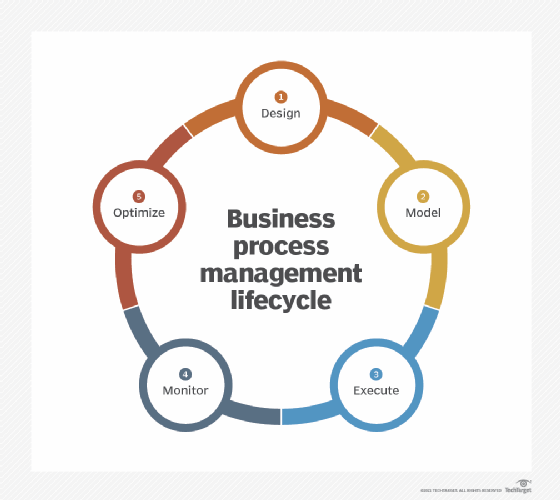
Introduction to Business Process Management: An overview of BPM concepts, principles, and methodologies. Topics may include the definition of business processes, the BPM lifecycle, process modeling techniques, and the role of BPM in organizational performance improvement.
Process Analysis and Modeling: Techniques for analyzing, mapping, and modeling business processes. Students learn how to identify process inputs, outputs, activities, and stakeholders, as well as how to document processes using standardized notation such as Business Process Model and Notation (BPMN).
Process Optimization and Redesign: Strategies for optimizing business processes to improve efficiency, reduce costs, and enhance quality. Topics may include process redesign methodologies, value stream mapping, process automation, and the elimination of non-value-added activities.
Quality Management and Six Sigma: Principles of quality management and Six Sigma methodologies for process improvement. Students learn how to measure process performance, identify root causes of defects, and implement statistical tools and techniques to reduce variation and improve process capability.
Lean Management: Lean management principles and techniques for eliminating waste, improving flow, and maximizing value. Topics may include the Toyota Production System, lean manufacturing principles, and lean tools such as 5S, kanban, and kaizen.
Business Process Automation: Strategies for automating business processes using technology solutions such as enterprise resource planning (ERP) systems, business process management (BPM) software, and robotic process automation (RPA) tools. Students learn how to evaluate automation opportunities, design automated workflows, and implement technology solutions effectively.
Change Management: Change management strategies for implementing process improvements within organizations. Students learn how to manage resistance to change, communicate effectively with stakeholders, and foster a culture of continuous improvement.
Project Management for BPM: Project management methodologies, tools, and techniques for managing process improvement projects. Topics may include project planning, scheduling, budgeting, risk management, and stakeholder management.
Metrics and Performance Measurement: Key performance indicators (KPIs) and metrics for measuring process performance and monitoring the effectiveness of process improvement initiatives. Students learn how to define performance metrics, collect and analyze data, and use performance measurement systems to drive continuous improvement.
Enterprise Architecture: The role of enterprise architecture in aligning business processes with organizational strategy and goals. Students learn how to develop and maintain enterprise architecture frameworks that support BPM initiatives and facilitate process integration and standardization.
Strategic Business Process Management: Strategic implications of BPM for organizations. Students learn how to assess the strategic impact of process improvements, prioritize initiatives based on their potential value to the organization, and align BPM initiatives with long-term business objectives.
Case Studies and Practicum: Real-world case studies and practical projects that allow students to apply BPM concepts, methodologies, and tools to solve complex business problems. Students gain hands-on experience in process analysis, optimization, and management through practical, real-world applications.
Questions about the MBA - Business Process Management?
Let our experts provide the answers – talk to us today!


Course Eligibility
Educational Background:
Most MBA programs, including those in Business Process Management, require applicants to hold a bachelor's degree from an accredited institution. While the undergraduate degree can be in any field, some programs may prefer candidates with a background in business, management, engineering, computer science, or related disciplines.
Work Experience:
While not always mandatory, many MBA programs prefer candidates with some professional work experience, especially for Executive MBA programs. However, for full-time MBA programs, particularly those designed for recent graduates, work experience may not be a strict requirement.
Standardized Test Scores:
Many MBA programs require applicants to submit scores from standardized tests such as the Graduate Management Admission Test (GMAT) or the Graduate Record Examination (GRE). Some programs may have minimum score requirements, although this varies by institution.
Letters of Recommendation:
Applicants are typically required to submit letters of recommendation from academic or professional references who can attest to their qualifications, skills, and potential for success in the program.
Statement of Purpose/Personal Statement:
Most MBA programs require applicants to submit a statement of purpose or personal statement outlining their academic and professional background, career goals, and reasons for pursuing an MBA in Business Process Management.
Interview:
Some MBA programs may require applicants to participate in an admissions interview as part of the application process. This interview may be conducted in person, over the phone, or via video conference.
English Language Proficiency:
International applicants whose native language is not English may be required to demonstrate proficiency in English through standardized tests such as the Test of English as a Foreign Language (TOEFL) or the International English Language Testing System (IELTS).
Additional Requirements:
Depending on the institution and program, there may be additional requirements such as essays, statement of intent, or entrance exams specific to the field of Business Process Management.

Course Level
An MBA in Business Process Management (BPM) typically falls under the category of postgraduate education. Here's a breakdown of the course level for an MBA in BPM:
Postgraduate Level:
An MBA in BPM is considered a postgraduate program, indicating that it is pursued after completion of undergraduate education. Most applicants to MBA programs have already earned a bachelor's degree from an accredited institution.
Master's Degree:
The MBA is a master's degree, signifying an advanced level of education beyond the bachelor's degree. As such, it is a specialized program designed to provide students with advanced knowledge and skills in business administration, with a specific focus on BPM.
Advanced Coursework:
MBA programs in BPM feature advanced coursework that goes beyond the basics of business administration. Students delve deeply into topics such as process analysis, process optimization, change management, quality management, and strategic alignment of business processes.
Practical Experience:
Many MBA programs incorporate practical, hands-on learning experiences such as case studies, simulations, internships, and consulting projects. These experiences allow students to apply theoretical knowledge to real-world BPM challenges and develop practical skills relevant to the field.
Technology Integration:
MBA programs in BPM often include coursework on technology solutions for BPM, such as enterprise resource planning (ERP) systems, business process management (BPM) software, and robotic process automation (RPA). Students learn how to leverage technology to automate processes, improve data visibility, and enhance decision-making.
Strategic Focus:
MBA programs in BPM emphasize the strategic implications of BPM for organizations. Students learn how to align BPM initiatives with organizational goals and objectives, prioritize process improvement projects, and drive continuous improvement to create sustainable competitive advantage.
Cross-disciplinary Approach:
BPM is inherently interdisciplinary, drawing on concepts and methodologies from business administration, operations management, information technology, and engineering. MBA programs in BPM provide students with a broad, cross-disciplinary education that prepares them to address complex BPM challenges in diverse organizational contexts.
Overall, the course level for an MBA in BPM is advanced, providing students with a comprehensive education in BPM principles, methodologies, and practices. Graduates of MBA programs in BPM are well-equipped to drive process improvement initiatives, optimize business processes, and create value for organizations across industries and sectors.
Confused about the course content?
Get clarity from our experts – start the conversation!
Similar Courses
Recruiters
Management Consulting Firms:
Leading management consulting firms such as McKinsey & Company, Boston Consulting Group (BCG), Bain & Company, Deloitte, PricewaterhouseCoopers (PwC), and Ernst & Young (EY) hire BPM professionals to help clients improve their business processes, streamline operations, and drive organizational change.
Technology Companies:
Technology companies like IBM, Oracle, SAP, Microsoft, and Salesforce recruit BPM professionals to work on software solutions and platforms that support business process automation, workflow management, and enterprise resource planning (ERP).
Financial Services Companies:
Banks, insurance companies, and financial institutions such as JPMorgan Chase, Goldman Sachs, Morgan Stanley, Citibank, and American Express hire BPM professionals to optimize their back-office operations, improve customer service processes, and enhance regulatory compliance.
Healthcare Organizations:
Healthcare providers, pharmaceutical companies, and healthcare IT firms such as UnitedHealth Group, Johnson & Johnson, Cerner Corporation, and Epic Systems Corporation recruit BPM professionals to streamline healthcare delivery processes, optimize supply chain operations, and improve patient outcomes.
Manufacturing Companies:
Manufacturing firms across industries such as automotive, aerospace, consumer goods, and electronics hire BPM professionals to optimize production processes, reduce manufacturing costs, and improve product quality and reliability.
Retail and Consumer Goods Companies:
Retailers and consumer goods companies like Walmart, Amazon, Target, Procter & Gamble, and Nestlé recruit BPM professionals to enhance supply chain efficiency, optimize inventory management processes, and improve customer service and satisfaction.
Telecommunications Companies:
Telecommunications providers such as AT&T, Verizon, T-Mobile, and Vodafone hire BPM professionals to optimize network operations, improve customer service processes, and enhance billing and invoicing systems.
Logistics and Transportation Companies:
Logistics and transportation firms such as FedEx, UPS, DHL, and Maersk recruit BPM professionals to optimize logistics and supply chain operations, reduce transportation costs, and improve delivery efficiency.
Government Agencies:
Government agencies at the federal, state, and local levels hire BPM professionals to improve government services, enhance regulatory compliance processes, and drive efficiency and cost savings in public sector operations.
Energy and Utilities Companies:
Energy producers, utilities providers, and renewable energy firms such as ExxonMobil, Chevron, Shell, and Siemens recruit BPM professionals to optimize energy production processes, improve resource management, and enhance environmental sustainability.
Hospitality and Travel Companies:
Hospitality and travel companies like Marriott International, Hilton, Airbnb, and Expedia recruit BPM professionals to optimize hotel and resort operations, enhance guest experiences, and improve revenue management processes.
Automotive and Transportation Companies:
Automotive manufacturers, suppliers, and transportation companies such as General Motors, Ford, Toyota, and Uber recruit BPM professionals to optimize manufacturing processes, improve vehicle design and production, and enhance transportation logistics.
Don't let doubts hold you back.
Connect with our experts to resolve any course questions!
Popular Courses

Btech Computer Science
Starting at -/₹144,555
Btech Civil Engineering
Starting at -/₹23,000
MBA Banking Management
Starting at -/₹NaN
MA History
Starting at -/₹140,000
BA Philosophy
Starting at -/₹10,000
BS Bio Engineering
Starting at -/₹54,000Popular Colleges
![Army College of Dental Sciences - [ACDS], Secunderabad](https://dekhocampus.s3.ap-south-1.amazonaws.com/college-banner/banner_39829-20231226T125957343Z-001992.jpg)
Army College of Dental Sciences - [ACDS], Secunderabad
Apply Now![Institute of Advanced Management Research - [IAMR], Ghaziabad](https://dekhocampus.s3.ap-south-1.amazonaws.com/college-banner/banner_41311-20231226T125957343Z-001992.jpg)
Institute of Advanced Management Research - [IAMR], Ghaziabad
Apply Now![International Institute of Fashion Design - [INIFD], Pune](https://devdc.s3.eu-north-1.amazonaws.com/1720002993279_image_2024-07-03_160629635.png)
International Institute of Fashion Design - [INIFD], Pune
Apply Now![Indian Institute of Forest Management - [IIFM], Bhopal](https://devdc.s3.eu-north-1.amazonaws.com/1720081628634_image_2024-07-04_135703241.png)
Indian Institute of Forest Management - [IIFM], Bhopal
Apply Now
Banarsidas Chandiwala Institute of Hotel Management & Catering Technology, New Delhi
Apply Now![ICFAI Business School - [IBS], Kolkata](https://dekhocampus.s3.ap-south-1.amazonaws.com/college-banner/banner_89539-20231226T125957343Z-001992.jpg)
ICFAI Business School - [IBS], Kolkata
Apply NowAddress
RZ 43 Sudan Garden, Najafgarh, New Delhi - 110043Opening Hours
Monday - Saturday: 9:00 AM - 07:00 PM
Sunday: 10:00 AM - 06:00 PM